
Municipalities to get compensation to house Ukrainian refugees
Published : 08 Jul 2022, 03:11
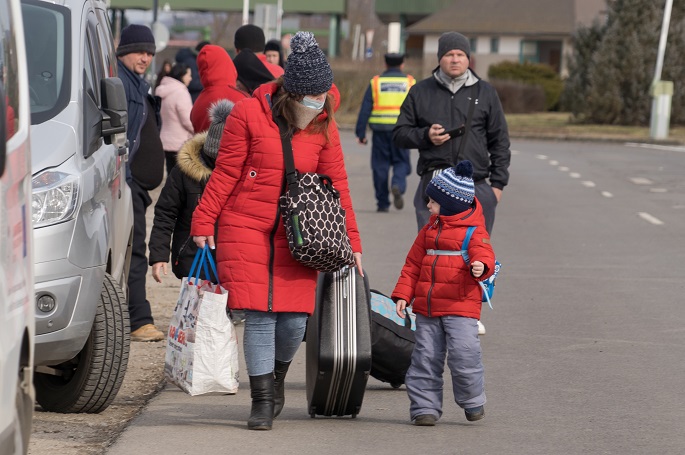
The Finnish Immigration Service (Migri) is compensating municipalities for accommodation costs to house people who have fled Ukraine, said Migri in a press release on Thursday.
The municipal model will be applied until 4 March 2023.
After Russia’s invasion of Ukraine, 31 590 applications for temporary protection have been submitted in Finland, mostly by Ukrainians.
Those granted temporary protection are entitled to reception services.
People who have fled Ukraine can receive accommodation services from a municipality without a reception centre being established in the municipality.
A municipality can agree with a reception centre that the municipality provides beneficiaries of temporary protection with accommodation services according to the Act on the Reception of Persons Applying for International Protection.
There have been negotiations about drawing up a contract with 90 municipalities so far. The majority of these contracts are now being dealt with internally by the municipalities.
The municipal model makes it possible for people who have fled Ukraine to live in locations where they have family or friends, employment or other ties.
The contracts within the model concern about 1,700 clients at the moment. The registration of clients within the municipal model is underway, why all clients accommodated in municipalities are not shown in the accommodation register of the model.
“The next step in the municipal model is to look into the possibility of transferring beneficiaries of temporary protection directly to the municipalities that have announced that they have plenty of facilities to be used in accordance with the municipal model as well as preparedness to coordinate accommodation,” said Senior Specialist of Migri Tiina Järvinen.
The first such transfer was made from Joutseno Reception Centre to Ikaalinen, where 24 Ukrainians were accommodated.
The municipality offers beneficiaries of temporary protection accommodation and guidance in everyday life. All the other reception services are offered by the reception centre where they are registered as clients.
“The municipal model has had a positive reception in different parts of Finland, and it has aroused a lot of interest. The Finnish Immigration Service regards the cooperation with the municipalities as important and the municipal model as a good way to receive people who are applying for temporary protection,” said Järvinen.
All applicants or beneficiaries of temporary protection are registered at a reception centre even if they live in private or municipality-arranged accommodation.
People who have fled Ukraine receive healthcare services primarily from the reception centre and service providers chosen by the Finnish Immigration Service through competitive tendering. The reception centre also arranges necessary social services for them and sees to the payment of the reception allowance, for instance.
As a rule, municipal healthcare services are restricted for use by inhabitants of the municipalities, which do not include asylum seekers. Therefore, the Migri procures services at health-centre level after inviting tenders for such services. The level of care is determined in the Act on the Reception of Persons Applying for International Protection.
However, for years, municipalities have provided reception centre clients with some healthcare services, such as maternity and child health clinic and oral healthcare services. Municipalities will continue to be compensated for the costs of these services without a separate agreement.
Belarus to close embassy in Finland
15 to face trial for producing, selling cannabis in Helsinki
Russian reconnaissance aircraft suspected of violating Finnish airspace
Finland supports aviation safety in Indonesia
Misuse of funds, info most common suspected corruption cases in Finland: study
Espoo, Vantaa cities´ massive job cut moves put services at risk: JHL

Editor-in-Chief Ofiul Hasnat
Published by Finnish News Network (FNN)
Heporinne 4 B 45
01200 Vantaa, Finland.
E-mails : [email protected]