
Climate strategy for ICT sector announced
Published : 10 Mar 2021, 02:57
Updated : 10 Mar 2021, 09:24
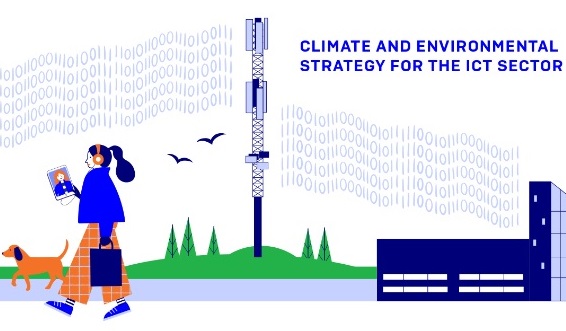
Finland on Tuesday published the first climate and environment strategy for the ICT sector with the view to reduce the carbon and environmental footprint of the ICT sector and reap the benefits of digitalisation, said the Ministry of Transport and Communications in a press release.
The strategy answered the questions how can waste heat from data centres be converted into heating for homes? How can a broken phone and its precious metals be returned from the desk drawer for servicing or recycling? How can information and communication technologies help in reducing emissions from transport or industry?
“Our goal is clear: Finland is seeking to solve climate problems and provide solutions for the whole world by applying its expertise in information and communication technology,” said Minister of Transport and Communications Timo Harakka.
There are two aspects to the ICT sector. On the one hand, communication networks, data centres, and smart devices consume electricity and materials. The ICT sector consumes an estimated 4-10 per cent of global electric power and gives rise to some 3-5 per cent of greenhouse gas emissions.
On the other hand, the ICT sector has a great deal of potential to reduce greenhouse gas emissions from other sectors, such as transport. Digital services enable intelligent transport control and make public transport more attractive by streamlining vehicle changes. The coronavirus pandemic has shown in practice how teleworking and teleconferencing can replace passenger transportation.
The strategy included six objectives and measures including improving ICT infrastructure energy efficiency, introducing zero carbon sources of electric power, and seeking a climate friendly data economy, longer hardware life, and recycling of precious metals, an overview of the environmental impacts of digitalisation, making consumers aware of environmental impacts and use of emerging technologies in climate work and environmental protection.
Finland to redefine ties with Russia after Ukraine war ends: Stubb
Birth rate remains lower than death in Finland in Jan-July period
Online illegal wildlife trade poses risks to biodiversity: study
Finland to host Arctic summit of EU leaders in September
Woman killed in road mishap in Helsinki
Man to face charges for hoisting Swastika flag in yard

Editor-in-Chief Ofiul Hasnat
Published by Finnish News Network (FNN)
Heporinne 4 B 45
01200 Vantaa, Finland.
E-mails : [email protected]