
Online illegal wildlife trade poses risks to biodiversity: study
Published : 25 Aug 2026, 01:36
Updated : 25 Aug 2026, 01:40
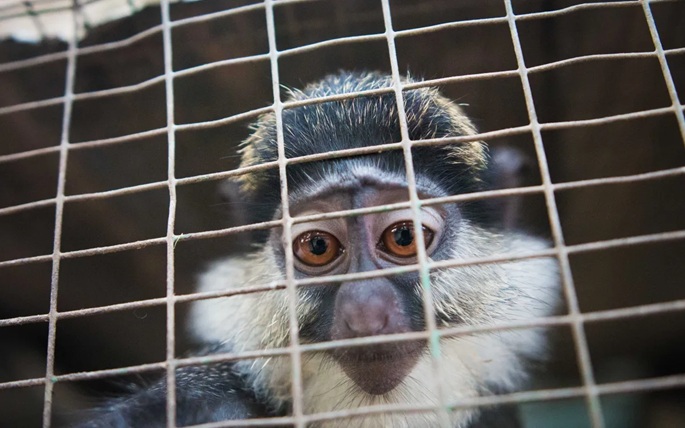
Online illegal wildlife trade poses significant risks to species, ecosystems, and animal and public health, according to a new international study led by the University of Helsinki.
The study showed that online platforms -Facebook, Instagram, TikTok and YouTube- are fuellng a growing and hard-to-track wildlife trade, said the University of Helsinki in a press release on Friday.
In just six weeks, researchers in mid-2025 found more than 1,600 primates for sale on Facebook, Instagram, TikTok and YouTube.
Like primates, birds, snakes, frogs, orchids, and many other wildlife groups are increasingly being trafficked through online platforms.
The illegal trade took place through opening new tab advertisement on the social media platforms Facebook, Instagram, TikTok, and YouTube.
The study published in Nature Reviews Biodiversity by an international team of experts led by Professor Enrico Di Minin from the University of Helsinki highlighted that thousands of animal, plant, and fungal species, many of which are threatened with extinction, are being illegally traded online as global consumer demand continues to grow.
"The online illegal wildlife trade spreads across many platforms, including popular social media platforms, and represents a growing and evolving threat to biodiversity conservation," said Professor Di Minin.
"What is particularly concerning is that many of the species found to be illegally traded online are either at high risk of extinction or had not previously been considered at risk from illegal wildlife trade," he added.
Factors such as perceived low risk, weak regulatory governance, and the anonymity afforded by online platforms contribute to the thriving illegal trade.
"This review sheds light on the urgent need for concerted, multi-level strategies to combat the online illegal wildlife trade," said Dr. Annette Hübschle, a co-author from the University of Cape Town.
"These strategies should not only strengthen species protection but also enhance regulatory and technological capacity, engage local communities meaningfully, and promote a whole-of-society approach to conservation," she added.
The study revealed that the impacts of online trade are magnified by the anonymity of online platforms, allowing for a speed and scale of operations that traditional trade routes cannot match.
"The negative impacts on animal welfare and biodiversity mirror those of traditional offline illegal wildlife trade, but the reach and speed of online platforms are magnifying these harms," said Dr. Neil D'Cruze, another co-author from Manchester Metropolitan University
"Online illegal wildlife trade operates through complex, dispersed networks that cross national borders, expanding and, in some cases, replacing traditional trafficking routes," he added.
The review also identified critical gaps in data concerning the full extent of the online wildlife trade, indicating that better understanding consumer behavior and mitigating demand requires urgent attention.
"Addressing online illegal wildlife trade is complex but not insurmountable. It requires cooperation across sectors and comprehensive policy frameworks that recognize the online dimensions of wildlife trafficking," Professor Di Minin said.
Finland criticises EU´s proposal on Affordable Housing, seeks changes
Emergency warnings to be sent to mobile phones from November
Helsinki pilots AI-based documentation aid in health, social services
Proposal for new defence inventions act submitted to Parliament
Police fine millions of euros for illegal marketing of gambling
Stubb, Madise discuss bilateral ties, European defence in Helsinki

Editor-in-Chief Ofiul Hasnat
Published by Finnish News Network (FNN)
Heporinne 4 B 45
01200 Vantaa, Finland.
E-mails : [email protected]