
New law poses risk to gambling-related harms: THL, KKV
Published : 07 Oct 2026, 01:33
Updated : 07 Oct 2026, 02:10
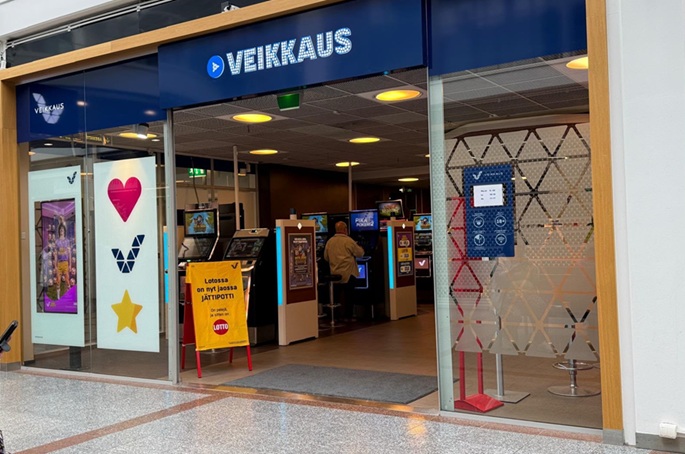
The Finnish Institute for Health and Welfare (THL) and the Finnish Competition and Consumer Authority (KKV) warned of the risks associated with the reform of Finland’s gambling system, which will take effect in 2027, said THL in a press release on Tuesday.
The new system does not provide sufficient protection for players against gambling-related harms, and without stronger regulation, the risk will increase.
There is particular concern about young adults, among whom gambling problems and gambling-related debt are already more common than in other age groups, said the authorities.
Finland’s gambling system will change in 2027, when online casinos and betting are opened up to competition. Dozens of gambling companies will enter the market and compete for the same customers.
According to THL and KKV, the measures for preventing harm under the new system are insufficient to address the risks posed by the changing market. Gambling-related harms will increase if Finland moves to a licensing system without additional regulation.
Under the new system, players’ deposit and loss limits will apply separately to each gambling company. The same person will be able to open gambling accounts with several different companies and gamble large sums of money without any means of monitoring and managing their total gambling expenditure.
Gambling marketing is expected to increase significantly. A requirement for marketing to be moderate is not sufficient on its own to prevent marketing-related harms. Regulation of gambling marketing should therefore be tightened. In particular, gambling marketing on social media should be prohibited.
“In designing Finland’s licensing system, emphasis has been placed on making the system attractive to gambling companies, while insufficient attention has been paid to preventing gambling-related harms. Overly permissive regulation increases gambling-related harms, and reducing them afterwards is difficult,” said Kirsi Leivo, Director General of KKV.
“Protecting young people must become a key objective of Finland’s gambling policy,” said Mika Salminen, Director General of THL.
Problems that begin at an early age can lead to debt, make studying and finding employment more difficult, and undermine wellbeing for years to come.
At the same time, gambling marketing is increasingly moving to social media and other digital channels. This raises particular concerns about young people being exposed to inducements and marketing by gambling companies.
Gambling-related harms affect not only people who gamble but also their loved ones and society as a whole. At their most severe, these harms can include mental health problems, debt, payment difficulties, evictions, family problems and suicide. Gambling-related harms also increase the need for services and, consequently, public expenditure.
THL and KKV have proposed various measures to strengthen regulation.
The measures included limiting deposit and loss covering all regulated gambling, lowering spending limits for people under the age of 24, raising the minimum age for gambling to 20, blocking online access and payment transactions to operators outside the licensing system, restricting bonus funds and other incentives designed to encourage gambling and prohibiting gambling marketing on social media and ensuring sufficient resources for supervision, research and the prevention of gambling-related harms.
6 firms fined for recruiting immigrants living in Finland illegally
26% working Finns face elevated risk or severe burnout: study
62 Finns reportedly serve in Israeli military
Security authorities brief PM about suspected intrusions at MPs homes
Finland supports EU accession move of Moldova
Govt, Häkkänen survive no-confidence motions

Editor-in-Chief Ofiul Hasnat
Published by Finnish News Network (FNN)
Heporinne 4 B 45
01200 Vantaa, Finland.
E-mails : [email protected]