
Number of youth sexual abuse victims rises during pandemic
Published : 23 Apr 2022, 03:14
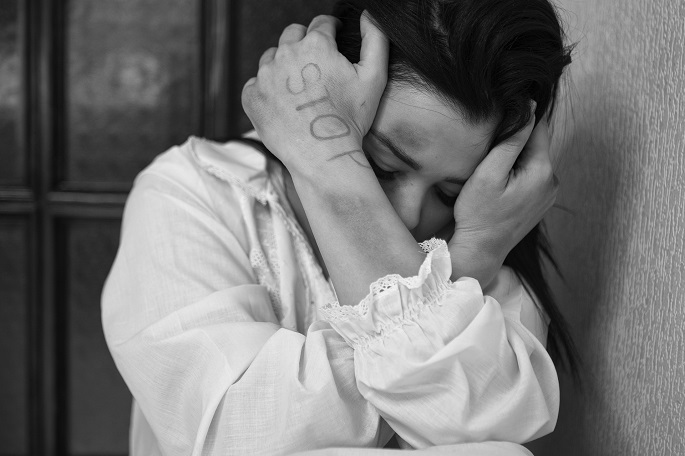
During the prolonged coronavirus epidemic, children and young people have encountered more domestic violence and sexual harassment than before the epidemic, according to a recent expert assessment published by the Finnish Institute for Health and Welfare (THL) on the societal impacts of the coronavirus epidemic.
Remote schooling and other restrictive measures have also affected the well-being of young people, as ordinary everyday routines have been disrupted, said THL in a press release on Friday.
The coronavirus epidemic has exacerbated domestic violence and made it more difficult to seek and receive help.
More children and young people than previously have experienced physical and psychological violence from parents or other adults taking care of them during the coronavirus epidemic.
There were differences in the prevalence of experiences between the different wellbeing services counties.
For example, in many wellbeing services counties a larger share of girls in grades 8-9 reported physical violence in 2021 than in 2019.
A larger share than previously also reported physical violence between family members in the past 12 months. Girls in grades 8-9 living in Ostrobothnia, Eastern Uusimaa and Helsinki had encountered this most often.
"In basic services, it is essential to pay attention to asking about domestic violence and, in particular, taking into account the needs of immigrants and children. It is important to communicate in multiple languages and channels about domestic violence and where to get help,” said Johanna Hietamäki, Senior Researcher at THL.
In addition, there has been a clear increase in girls reporting cases of sexual harassment. About 50 per cent of female pupils in 8th and 9th grade and female students in the 1st and 2nd year of upper secondary schools and vocational education and training have experienced sexual harassment during the coronavirus pandemic. In 2019 the corresponding figure was 30 per cent.
Regional differences in sexual harassment in public places are substantial. During the epidemic, it has been most common in large cities. For example, 33 percent of 8th and 9th grade girls in Helsinki have experienced sexual harassment, whereas in smaller localities there is variation from a few per cent to about 25 per cent.
The increase in sexual harassment against girls may be related, among other things, to more time than usual being spent online during the coronavirus restrictions.
In addition to experiences of violence, the physical and mental health of young people has been influenced by factors such as remote schooling and a decline in social relationships. These have caused an increase in study difficulties, anxiety and eating disorder symptoms in comprehensive school, upper secondary school and higher education institutions.
School fatigue has become more common in all age groups, and a smaller share admits to enjoy attending school. For example, school fatigue has been on the rise among female pupils in upper comprehensive school and upper secondary school since 2006, and during the coronavirus epidemic it has further increased.
School and study fatigue is a serious phenomenon. It is indicative of depression and dropping out of studies if prolonged.
“It is essential to try to identify the root causes of psychological symptoms in young people. If they are related to such things as difficulties with one’s studies, it is worth investing in measures to address this particular problem. Measures that support learning play a key role in the psychological well-being of children and young people," said Terhi Aalto-Setälä, Chief Physician at THL.
Belarus to close embassy in Finland
15 to face trial for producing, selling cannabis in Helsinki
Russian reconnaissance aircraft suspected of violating Finnish airspace
Finland supports aviation safety in Indonesia
Misuse of funds, info most common suspected corruption cases in Finland: study
Espoo, Vantaa cities´ massive job cut moves put services at risk: JHL

Editor-in-Chief Ofiul Hasnat
Published by Finnish News Network (FNN)
Heporinne 4 B 45
01200 Vantaa, Finland.
E-mails : [email protected]