
Majority of cattle in Finland live in loose housing
Published : 15 Nov 2021, 02:38
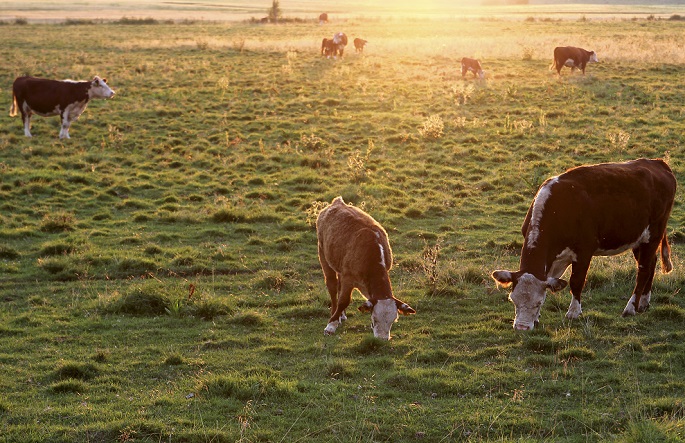
In 2020, 65 per cent of cattle in Finland lived in loose housing, i.e. in cow barns where animals can move around freely without being tied to stanchions, according to Natural Resources Institute Finland (Luke).
Loose housing has become more common since 2010 when the previous study was conducted. Then, roughly half of all cattle lived in loose housing. Correspondingly, the amount of cattle living in stanchion-tied stables has decreased from 30 to 16 per cent.
About 70 per cent of cattle farms used pastures in 2020. Dairy cow farms used pastures a little more than other cattle farms. The pasture season was slightly less than five months for dairy cattle, and nearly six months for other cattle.
“The daily time spent on pastures was approximately 12 hours for dairy cattle and 21 hours for other cattle. Dairy cows must be moved indoors for milking, while on many farms other cattle are outdoors round the clock during the pasture season,” said Pasi Mattila, senior scientist at the Luke.
The proportion of farms that use pastures for dairy cows has decreased since 2010 when the use of pastures was previously studied. Instead, the proportion of farms that use pastures for other cattle has increased since 2010.
About 40 per cent of all cattle had access to an outdoor yard. An outdoor yard was open during nine months per year on average. In 2020, dairy cows had access to an outdoor yard during a little more than seven months. Some 75 per cent of farms collected manure in full or in part in their outdoor yard, and a little more than half of farms collected runoff in full or in part.
Composting solid manure was the most common manure processing method on cattle farms. The proportion of farms that use manure processing methods has increased since 2016 when the processing of manure was previously studied.
The publication includes data about manure processing, cattle, pig and chicken housing types, pastures, and animals’ access to an outdoor yard.
The data was collected from nearly 13,000 farms through the statistical questionnaire for the 2020 agricultural survey. The collection of data ended in April 2021. The response rate was nearly 90 per cent.
Online illegal wildlife trade poses risks to biodiversity: study
Finland to host Arctic summit of EU leaders in September
Woman killed in road mishap in Helsinki
Man to face charges for hoisting Swastika flag in yard
Belarus to close embassy in Finland
15 to face trial for producing, selling cannabis in Helsinki

Editor-in-Chief Ofiul Hasnat
Published by Finnish News Network (FNN)
Heporinne 4 B 45
01200 Vantaa, Finland.
E-mails : [email protected]