
Coronavirus infections spotted in 6 refugee centres
Published : 30 Apr 2020, 02:50
Updated : 30 Apr 2020, 09:59
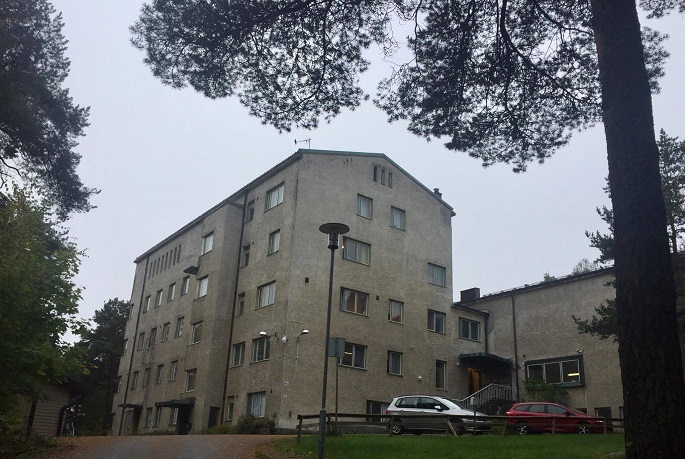
At least 30 cases of coronavirus infection have so far been identified in six refugee reception centres in the country, said the Finnish Immigration Service (Migri) in a press release.
Most of the infections have been found in the Uusimaa region.
There are 40 refugee reception centres in Finland with about 7,700 people registered with them. A total of 4,400 of the registered asylum seekers live in the reception centres.
The reception centres have prepared for the coronavirus pandemic with action plans. As the centres are institutional, the exceptional situation has required new operating methods.
“In the Nihtisilta reception centre in Espoo, the city’s infectious disease physician has made the decision to start more extensive testing due to the infections. We are co-operating with Luona Oy, which is responsible for the operation of the centre, and with the health authorities to manage the situation,” said Migri Head of Section Olli Snellman.
Migri is tasked with guiding, planning and monitoring the operations of the reception centres in Finland. The centres are maintained by parties such as municipalities, companies and the Finnish Red Cross. Migri is responsible for two state-run reception centres in Oulu and Joutseno as well as the detention units in Helsinki and Joutseno.
All reception centres employ social workers and healthcare professionals. Migri works in close collaboration with the Finnish Institute for Health and Welfare (THL). The reception centres run in co-operation with the health authorities in their areas.
“It’s clear that the coronavirus also affects the clients and employees of the reception centres, even though a comprehensive set of precautions has been implemented. The centres often have challenging premises, but we’ve managed to lower the average occupancy rate of the centres, which has helped us make the situation easier,” said Snellman.
While the epidemic is in progress, as few clients as possible are being transferred between the centres.
According to the release, the reception centres have been asked to purchase the necessary protective equipment. There is still a shortage of protective equipment, however, and equipment purchases must continue actively.
The reception centres provide instructions on the coronavirus and the exceptional situation in several languages to the asylum seekers. For example, important information on preventing the spread of coronavirus, the exceptional situation in Finland and the restrictions on assembly has been provided in their most common native languages. Asylum seekers always receive information from the personnel at their own reception centres, too.
IAEA team visits Finland to evaluate radiation emergency preparedness
Finland to redefine ties with Russia after Ukraine war ends: Stubb
Birth rate remains lower than death in Finland in Jan-July period
Online illegal wildlife trade poses risks to biodiversity: study
Finland to host Arctic summit of EU leaders in September
Woman killed in road mishap in Helsinki

Editor-in-Chief Ofiul Hasnat
Published by Finnish News Network (FNN)
Heporinne 4 B 45
01200 Vantaa, Finland.
E-mails : [email protected]