
Nitrogen deposition harms fungi in European forests
Published : 28 Jun 2018, 03:24
Updated : 28 Jun 2018, 03:27
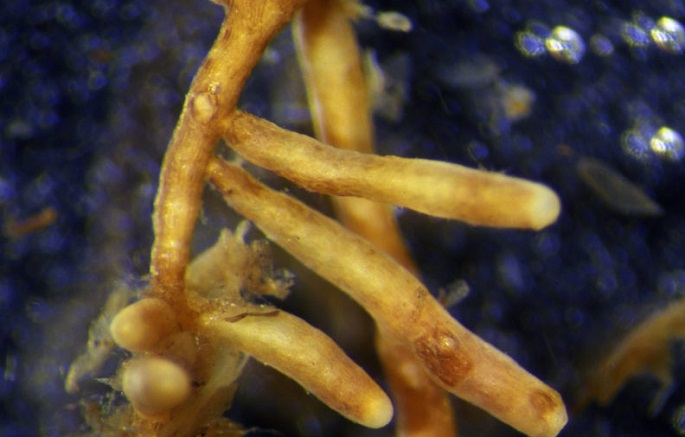
In many parts of Europe, mycorrhizas, a symbiotic association between tree roots and fungi that deliver nutrients and water to trees, suffer from air pollution, according to an extensive study published recently in Nature.
“The threshold values defined for critical loads of nitrogen deposition (10–20 kg per hectare per year) seem to be too high in light of this recent study. In particular, fungi that live in symbiosis with spruce and pine suffer from high levels of nitrogen deposition”, said Päivi Merilä, senior scientist at the Natural Resources Institute Finland (Luke).
Merilä is coordinating Finland’s role in a major project that is investigating fungal diversity in tree roots in Europe, said a press release on Wednesday.
“The study showed that fungi living on tree roots react to much lower levels of nitrogen deposition than was previously believed. Northern Finland is below this limit, while southern Finland is close to it, and no declining trend was detected in nitrogen deposition during the monitoring period”, Merilä said.
A mycorrhiza is a symbiotic association between fungi and plant roots. Mycorrhizal fungi improve the delivery of nutrients and water to trees, while the trees provide the fungi with carbohydrates that they are unable to produce on their own. This is a relationship that benefits both parties: symbiosis.
“This study indicates that global warming may also deteriorate the living conditions of fungi attached to plant roots. What is more, this may have an impact on forest trees in the future”, Merilä added.

Editor-in-Chief Ofiul Hasnat
Published by Finnish News Network (FNN)
Heporinne 4 B 45
01200 Vantaa, Finland.
E-mails : [email protected]