
Ex berry firm boss gets sentence for largest human trafficking in Finland
Published : 08 Jun 2026, 19:44
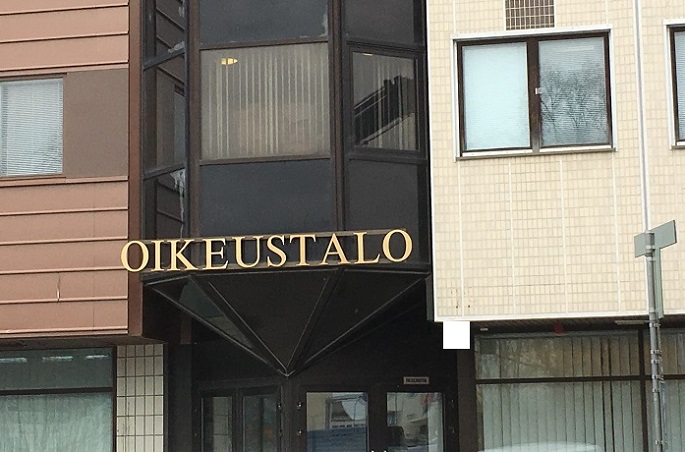
The Lapland District Court in Rovaniemi on Monday handed down verdicts in Finland's largest human trafficking case, involving 78 Thai berry pickers, reported Xinhua.
The court sentenced Jukka Kristo, former chief executive officer of berry company Polarica Marjanhankinta, to two years and six months in prison on 78 counts of human trafficking.
His Thai business partner, Kalyakorn "Durian" Phongphit, was sentenced to nine months in prison.
Both sentences are unconditional.
Kristo, Phongphit and Polarica Marjanhankinta Oy were ordered to jointly pay 500,000 euros in compensation to the victims for financial losses and emotional suffering, said the court in a press release.
The court also imposed a corporate fine of 150,000 euros on Polarica Marjanhankinta Oy. In addition, Kristo was banned from conducting business activities for five years and ordered to forfeit his military rank.
Phongphit's sentence was reduced because the same court last autumn sentenced her to three years and six months in prison for 62 counts of aggravated human trafficking in a separate berry-picking case.
The verdict is not final. Kristo, Polarica Marjanhankinta Oy and the prosecutor have said they will appeal the ruling to the Court of Appeal.
The victims were Thai nationals recruited to pick wild berries in Finland during the 2022 harvest season.
According to prosecutors, the pickers were misled about their expected earnings, living conditions and associated costs, and were subjected to conditions resembling forced labor.
The case has renewed scrutiny of Finland's seasonal berry-picking system. Following years of concern over the treatment of foreign berry pickers, legislative changes took effect in February 2025 requiring foreign wild berry pickers to enter Finland as seasonal workers under contractual employment relationships.
Finland has no statutory national minimum wage. Instead, minimum wages and other employment conditions are generally determined through sectoral collective agreements.
Foreign-language speakers in Uusimaa to double by 2045
Finland, Ukraine sign drone production deal
Drug poisoning deaths on rise in Finland: THL
Finland seeks EU aid to mitigate structural change in Äänekoski, Päijät-Häme
Man dies after falling from road bridge in Helsinki
Birth rate remains lower than death in Finland in Jan-Aug period

Editor-in-Chief Ofiul Hasnat
Published by Finnish News Network (FNN)
Heporinne 4 B 45
01200 Vantaa, Finland.
E-mails : [email protected]