
Citizenship Act to reform to clarify child´s state, streamline Migri´s work
Published : 01 Oct 2021, 23:30
Updated : 01 Oct 2021, 23:33
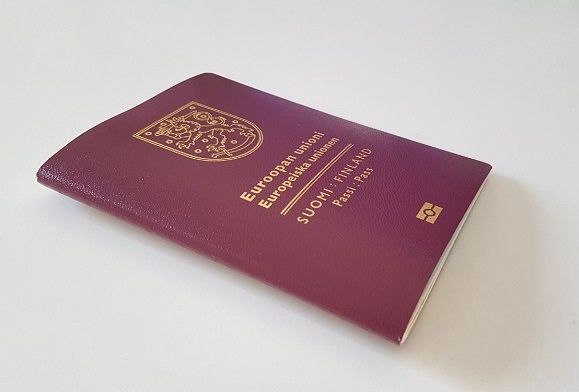
The government has taken a move to bring amendments to the Nationality Act with the view to update and clarify the Act.
The Ministry of the Interior on Friday published a draft of the government proposal for comments and the proposal is due to be submitted to Parliament during the spring session next year, said the ministry in a press release.
The deadline for submitting comments is November 12 this year.
The intention of the amendments, however, is not to make it easier or more difficult to acquire or lose citizenship, said the ministry.
The aim is to improve the functioning of the provisions so that they are clearer for both the subject of the provisions and the party applying them.
The definitions of a child and a stateless person contained in the Nationality Act would be updated to correspond to the definitions in international treaties binding on Finland.
Thus, a person under 18 years of age would always be regarded as a child, and getting married as a minor would not have an effect on this.
Stateless persons would no longer be divided into voluntarily stateless and involuntarily stateless.
The acquisition of citizenship for a child would be reformed so that children born to a Finnish parent would always acquire Finnish citizenship directly by law.
A child adopted by a Finnish citizen would also always acquire citizenship directly by law.
Currently, the acquisition of citizenship for a child requires a declaration to the Finnish Immigration Service (Migri) in some situations. The amendment would clarify the situation and also streamline the work of the Finnish Immigration Service.
The starting point for acquiring citizenship is that the applicant resides in Finland. The calculation of the required period of residence would be clarified, for example by laying down simpler provisions on permitted journeys abroad during the period of residence.
All in all, the stay abroad could last as long as today. However, it would be easier for a person applying for citizenship to assess themselves when the residence period requirement is met.
The provisions on the demonstration of language proficiency would be specified so that vocational qualifications completed in Åland would also be taken into account.
Authorised translators of Finnish or Swedish and registered legal interpreters would also be considered to have the necessary language skills.
In addition, more technical amendments would be made to the Act due to, for example amendments to general legislation.
From time to time, it is important to assess the functioning of legislation and its relationship with the development of general legislation and case law. This will ensure high quality and up-to-date regulation and prevent problems with interpretation.
Online illegal wildlife trade poses risks to biodiversity: study
Finland to host Arctic summit of EU leaders in September
Woman killed in road mishap in Helsinki
Man to face charges for hoisting Swastika flag in yard
Belarus to close embassy in Finland
15 to face trial for producing, selling cannabis in Helsinki

Editor-in-Chief Ofiul Hasnat
Published by Finnish News Network (FNN)
Heporinne 4 B 45
01200 Vantaa, Finland.
E-mails : [email protected]