
Repatriation of 20 Finns from Al-Hol camp costs €395,000
Published : 18 Mar 2021, 12:31
Updated : 18 Mar 2021, 22:58
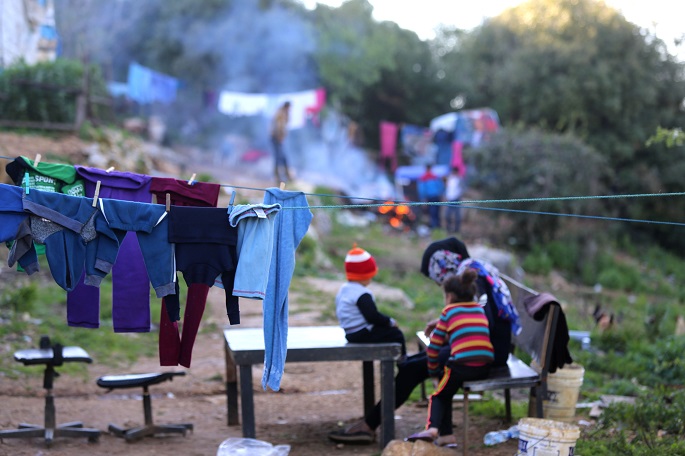
The costs incurred by Finnish authorities for the repatriation of 20 Finnish children and their mothers from the al-Hol refugee camp in Syria amounted to about EUR 395,000, said the Ministry for Foreign Affairs on Thursday.
The ministry organised the most recent repatriation in December 2020 when six Finnish children and two adult mothers, who had escaped from the al-Hol refugee camp arrived in the country.
At the time, all the costs incurred were not immediately clear. The Ministry for Foreign Affairs has made a comprehensive analysis of the costs of the assignment so far, said the ministry in a press release.
The authorities’ travel expenses accounted for about EUR 199,000 of the total costs. The sum covers travel tickets, accommodation, and daily allowances.
Chartered transport costs amounted to about EUR 118,000. To ensure the security of the operations, the ministry does not disclose the share of security costs. For reasons of security, it is not possible to itemise the share of smaller expenses from the total costs.
Each assisted person has been charged their own travel expenses to Finland and the price of their travel documents. Indirect costs incurred by public authorities, such as their travel and accommodation expenses or expenses arising from security arrangements are not charged from citizens.
The assistance assignment is not over. The government of Finland on 19 December 2019 issued a resolution on the repatriation of Finnish children from the al-Hol camp.
The security situation in the al-Hol camp deteriorated during the winter. Unknown perpetrators have assassinated more than 40 people during the first months of 2021, most of them in the Iraqi part of the camp. Seven children and two women died in a tent fire at the end of February. Children in the annex for foreign nationals do not have access to adequate healthcare or education.
The camps in northeast Syria constitute a long-term security risk also for Europe. The longer the children are kept in a radicalising environment without education or protection the graver the risks. There are no perfect solutions. For Finland’s security, the worst option is to leave the children in the camps.
IAEA team visits Finland to evaluate radiation emergency preparedness
Finland to redefine ties with Russia after Ukraine war ends: Stubb
Birth rate remains lower than death in Finland in Jan-July period
Online illegal wildlife trade poses risks to biodiversity: study
Finland to host Arctic summit of EU leaders in September
Woman killed in road mishap in Helsinki

Editor-in-Chief Ofiul Hasnat
Published by Finnish News Network (FNN)
Heporinne 4 B 45
01200 Vantaa, Finland.
E-mails : [email protected]