
Spending time in nature may support youths’ mental wellbeing: study
Published : 25 Mar 2026, 00:16
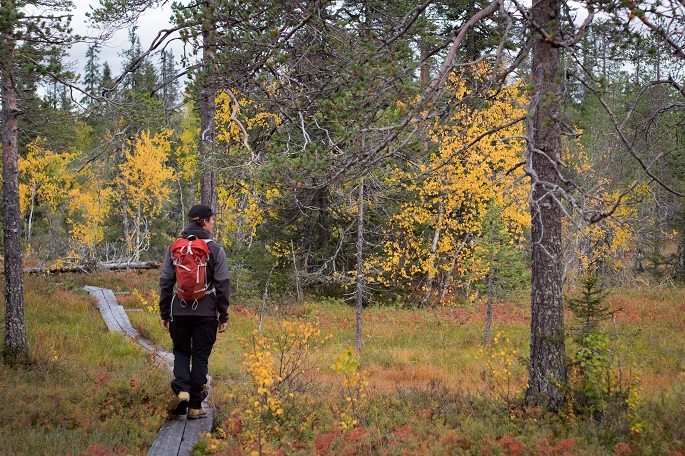
Spending time in nature and engaging in outdoor activities are associated with better mental wellbeing among young people, according to a study conducted by the Finnish Institute for Health and Welfare (THL).
The results of the School Health Promotion Study also showed that mental wellbeing was highest among adolescents who spent time in nature on a daily basis, said THL in a press release on Tuesday referring to the study.
The survey examined the relationship between adolescents’ positive mental health and both physical activity in nature and time spent outdoors. The survey was based on the 2025 School Health Promotion Study data.
The study found that spending time in nature even once a week was associated with higher levels of positive mental health. The more frequently young people spent time in nature, the stronger their positive mental health tended to be.
Positive mental health refers to psychological resources, positive emotions, social competence, and the ability to adapt to change. It is a resource that can be strengthened.
While extensive evidence exists on the positive mental health effects of nature exposure among adults, research focusing on adolescents is more limited.
Positive mental health is generally stronger among boys than girls. Differences were also observed between educational levels.
For example, general upper secondary school students reported higher levels of positive mental health than students in grades 8–9 of basic education or those attending vocational institutions.
A large majority (91%) of adolescents reported spending time in nature at least once a week, and nearly half (45%) at least four days a week.
In the School Health Promotion Study, “nature” referred to environments such as forests, parks, shores, and bodies of water.
Respondents were asked to report their nature visits over the previous seven days.
“There is growing evidence, particularly among children and adults, that time spent in nature is positively linked with mental health. Our results suggest that nature may also hold potential for supporting the wellbeing of adolescents,” said senior researcher Tytti Pasanen.
“Symptoms related to adolescent mental health have increased significantly in the 2020s, and we need diverse approaches to prevention and strengthening mental wellbeing. Contact with nature is a simple tool that is accessible to most young people,” said research manager Kaija Appelqvist Schmidlechner.
This study did not examine where, how, or for how long adolescents spent time in nature, nor did it distinguish between physically active and more passive forms of nature contact.
Health-based food tax to support healthier choices: THL, Heath Association
Alcohol labels often omit health risks: study
Restricted area expands as swine flu spreads in Lappeenranta
Genetic testing may reveal cause of youth sudden death: study
More areas marked as restricted zone for African swine fever
Restricted zone expanded as swine flu spreads in Finland

Editor-in-Chief Ofiul Hasnat
Published by Finnish News Network (FNN)
Heporinne 4 B 45
01200 Vantaa, Finland.
E-mails : [email protected]