
Helsinki’s Increasing Role for Northern Europe Trips
Published : 19 Nov 2025, 16:22
Updated : 24 Nov 2025, 11:57
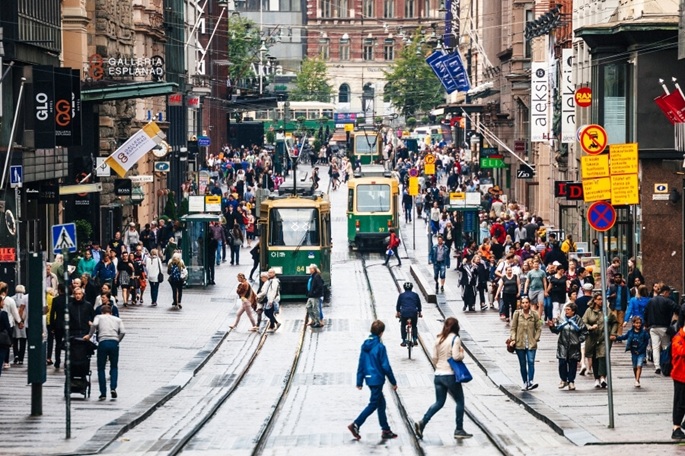
Helsinki has gradually strengthened its position as one of the most intriguing destinations in Northern Europe. Once seen mainly as a stopover city or an extension to a wider Scandinavian itinerary, it is now becoming a deliberate choice for travellers interested in design, culture and its distinct Baltic atmosphere.
The city’s combination of compact size, clean infrastructure and growing international visibility has encouraged more visitors to explore it as a stand-alone destination rather than a brief add-on to nearby capitals. As this shift continues, the way people research and plan their trips to Helsinki is changing as well.
Planning a Trip: What Today’s Travellers Actually Look For
As Helsinki’s profile within Northern Europe continues to grow, more travellers are researching the city in advance of their trip. Official tourism websites offer extensive information, but the sheer volume of details can make it difficult for visitors to focus on what truly matters for a short stay.
Many people prefer a concise overview that highlights only the most relevant sights, practical tips and neighbourhoods worth considering. In this context, this Helsinki travel guide serves as a practical point of orientation for anyone wanting to understand the essentials without having to sort through countless pages of information.
How International Travel Trends Are Reshaping Helsinki
Helsinki’s rising visibility across Northern Europe is not only driven by global exposure but also by shifts in where visitors are coming from. As travel patterns broaden, Helsinki is increasingly included as an independent stop within multi-country itineraries, drawing attention from audiences who want something different from the classic Nordic circuit.
According to Helsinki’s official tourism data, Germany has become one of the countries sending the highest number of visitors to the city after the United States. This growing interest also highlights the need for resources available in German.
Many travellers prefer information in their native language, especially since most official tourism portals publish content mainly in Finnish and English. To meet this need, German-language websites like HelsinkiTipps.de have been created in recent years, and the platform offers an overview that helps travellers discover the main sights of Helsinki.
Why Traveller Behaviour Has Shifted in Recent Years
The way people research destinations has changed considerably. Instead of relying solely on guidebooks or traditional travel magazines, today’s travellers compare multiple digital sources before making decisions about their itinerary. Social media, personal blogs and user-generated platforms often influence the early stages of planning, while more structured resources help refine short visits.
Short-stay travellers in particular tend to prioritise clarity: they want to understand the character of each neighbourhood, identify the highlights that can realistically fit into their schedule and get a sense of the city’s rhythm without sifting through excessive detail. This shift towards concise, practical information reflects a broader trend seen across many Northern European destinations, where visitors value efficiency and relevance as much as inspiration.
Helsinki as a Destination for Different Types of Visitors
Part of Helsinki’s growing appeal lies in its ability to attract very different traveller profiles. Some visitors come for architecture and design, others for nature access or the city’s calm, walkable atmosphere. The same destination can serve as a cultural gateway for first-time Nordic travellers or a strategic stop for those already familiar with the region.
As the city welcomes a wider range of audiences, the ecosystem of travel information around Helsinki has naturally diversified as well. Resources now vary from quick-overview guides to more detailed, language-specific platforms. This organic expansion mirrors how travellers approach the city: each group gravitates toward the type of information that best complements their travel style and helps them navigate Helsinki in a way that feels intuitive.
From Evening News to Live Sport: How Finland Chooses What to Watch
Finland Imported Over 41000 Used Cars Last Year, and the Odometer History Stopped at the Border for Most of Them
Only 16% of Finnish Domains Enforce Strict DMARC Policies
How Consumers Are Moving Beyond Fast Accessories
Morocco, Colombia ties
How to Plan the Perfect All-Inclusive Holiday in Tenerife

Editor-in-Chief Ofiul Hasnat
Published by Finnish News Network (FNN)
Heporinne 4 B 45
01200 Vantaa, Finland.
E-mails : [email protected]