
Helsinki’s Siberian flying squirrel population stabilised after peak years
Published : 07 Sep 2026, 22:24
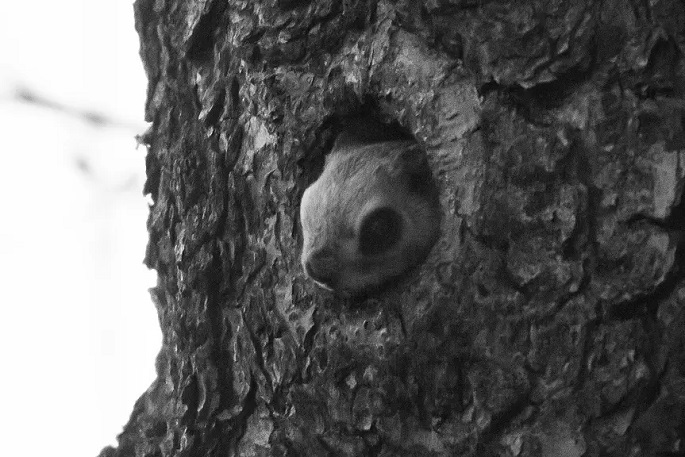
The number of Siberian flying squirrels in Helsinki grew rapidly until the end of the 2010s, but in recent years the population has remained fairly stable, said the City of Helsinki on Monday referring to a survey.
Surveys carried out in 2024–2025 updated the data on almost all known habitats.
The presence of the Siberian flying squirrel in Helsinki has been monitored since spring 2014.
At the time, the Siberian flying squirrel population was growing quickly and spread towards the east and south-east from north-western Helsinki.
Since then, the spread of the Siberian flying squirrel has levelled off.
The surveys carried out in 2024 and 2025 involved checking old sites with no recent sighting data and forested areas that had been assessed as suitable for the Siberian flying squirrel in previous surveys.
The work was spread out over two years to ensure that the most up-to-date data on the habitats of the Siberian flying squirrel was available for the whole city.
Following the spring 2025 survey, all areas known to the City of Helsinki to be inhabited by the Siberian flying squirrel have been inspected at least once each spring in 2023–2025, with the exception of Central Park.
Based on the monitoring data, the local Siberian flying squirrel population peaked in 2018 and 2019. Since then, some habitats have been abandoned, and the number of new habitats has been low. The number of Siberian flying squirrels in Helsinki has settled at a level below the peak years, but has remained fairly stable since 2022.
The majority of Siberian flying squirrel sightings in Helsinki have been recorded in mixed forests that have plenty of young broad-leaved trees growing underneath spruce-dominant stands.
Large spruces and aspens are vital to Siberian flying squirrels, and these trees are found in nearly all of their habitats. The squirrels usually build their nests in aspens, in old holes excavated by great spotted woodpeckers. A small proportion of Siberian flying squirrels live in the most natural parts of parks with old trees. Large common alders and birch trees are important foraging spots for Siberian flying squirrels, and they like to spend time in sturdy spruces.
In 2024 and 2025, two new core areas and one new habitat area were outlined for the Siberian flying squirrel. With the addition of these areas, the total number of woodland and park areas that have been found to be inhabited by the Siberian flying squirrel in Helsinki is approximately 160. Around two thirds of these areas have been inhabited in recent years. There are only isolated sightings of the Siberian flying squirrel in East Helsinki, and no permanent population has yet been established there. There would be plenty of woodland areas in East Helsinki suitable for the Siberian flying squirrel, but populating these areas would require a sufficient number of individuals to cross the Lahdenväyla motorway.
“In order to safeguard the Siberian flying squirrel population in Helsinki, it would be extremely important for the species to spread to East Helsinki as well, where there is plenty of suitable woodland for it. Ensuring the spread of the species to East Helsinki requires leaving sufficient viable corridors in place for the squirrels,” said Ari Turula, Environmental Specialist of the Helsinki Environmental Services.
Finnish Border Guard continues border security support to Estonia
Finland completes 200-km fence along border with Russia
Elderly people living in care homes need more outdoor access: THL
Drone found in Porvoo seems to be a Geoscan 701 model: Border Guard
Finland grants €1m humanitarian aid to flood affected Nepal
IAEA for improvement in Finland's nuke, radiation emergency readiness

Editor-in-Chief Ofiul Hasnat
Published by Finnish News Network (FNN)
Heporinne 4 B 45
01200 Vantaa, Finland.
E-mails : [email protected]