
Radiation situation in Finland remains stable, safe in 2025: STUK
Published : 17 Aug 2026, 10:31
Updated : 17 Aug 2026, 10:34
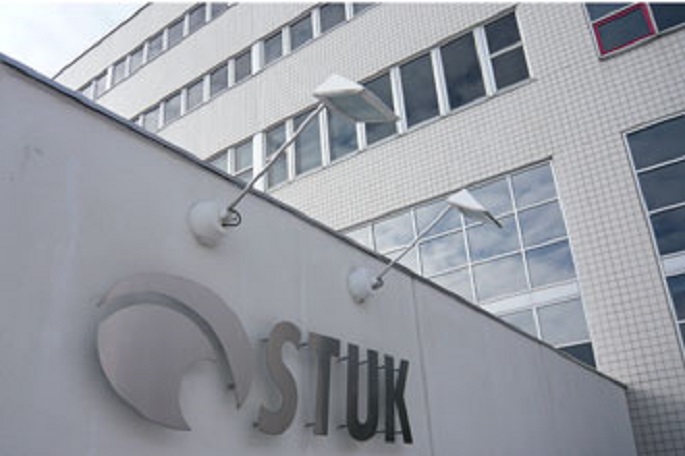
The radiation situation in the Finnish environment remained stable and safe in 2025, according to the results of environmental monitoring by Finland's Radiation and Nuclear Safety Authority (STUK).
The monitoring results showed that the radiation dose caused by artificial radioactive substances to Finns was less than 0.02 millisieverts nationwide, said an official press release on Monday.
This is an extremely small amount compared to the average annual radiation dose of Finns, which is approximately 5.9 millisieverts.
The STUK monitors the radiation situation in the environment through a monitoring programme which includes continuous measurement of external radiation and monitoring of radioactive substances in air, fallout, water, food and people.
On the basis of the results from 2025, it can be said that radioactive substances in the environment and the operation of nuclear power plants do not cause harmful radiation, said STUK.
The automatic external radiation monitoring network measures radiation continuously practically throughout Finland. Last year, more than 97 per cent of the measurement results from 255 measurement points were successfully transmitted to STUK’s monitoring data management system. The missing data was due to individual device or telecommunication malfunctions.
The measurement stations automatically trigger an alarm if there is anything abnormal in the radiation situation.
Last year, the monitoring network triggered three alarms. They were not related to changes in the radiation situation in the environment. Two alarms were due to industrial radiography which was being performed near the measurement station and one due to a technical error in the measurement station’s alarm function.
The artificial radioactive substances in the environment mainly originate from the Chernobyl nuclear power plant accident in 1986 and the atmospheric nuclear tests in the 1950s and 1960s. The effect of radioactive substances derived from them on the radiation situation continues to decrease.
Very small amounts of artificial radioactive substances, the origin of which could not be determined with certainty, were detected in the samples collected from the outdoor air in two cases during the year. However, the observed concentrations were so low that they had no significance for human health or the environment.
Radioactive cesium-137 from the Chernobyl accident was also still detected in the samples collected from the Baltic Sea, but the concentrations have decreased steadily in the same way as in other environmental samples.
STUK monitors the environment of the Loviisa and Olkiluoto nuclear power plants particularly closely. In 2025, STUK’s own monitoring programme included approximately 130 samples collected from the terrestrial and marine environments of Loviisa and 130 from the terrestrial and marine environments of Olkiluoto. The samples were analysed in STUK’s own laboratory.
The samples of the marine environment included small amounts of radioactive substances that originate from the power plants. The observed radionuclides corresponded to the emissions reported by the plants and to the observations made in previous years. The concentrations were very low and had no significance for the radiation exposure of people or the environment.
The radioactive substances observed in soil and plant samples in the vicinity of nuclear power plants also mainly originated from the fallout of the Chernobyl accident. The concentrations of cesium-137 and strontium-90 were in the same magnitude as elsewhere in Finland and corresponded to the results of previous years.
The radioactivity measurements of people living in the vicinity of the power plants did not detect any radioactive substances from the power plants.
Youth killed in road mishap in Puolanka
Helsinki’s population exceeds 700K
Finland temporarily restricts air, sea traffic again over drone risk
Govt´s draft law does not solve key problems of platform work: PAM
Finland grants €28.5m to support Ukraine's energy sector
NBI probes into financing PKK in Finland

Editor-in-Chief Ofiul Hasnat
Published by Finnish News Network (FNN)
Heporinne 4 B 45
01200 Vantaa, Finland.
E-mails : [email protected]