
Finland not to accept Russian non-biometric passport with few exceptions
Published : 03 Mar 2026, 00:06
Updated : 20 Apr 2026, 23:12
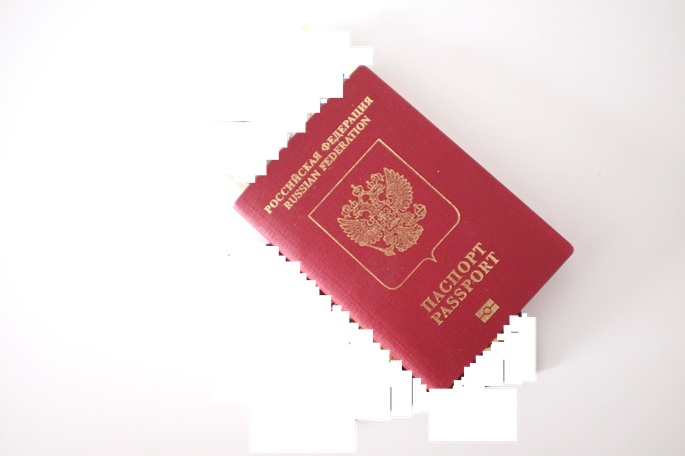
Finland will not accept non-biometric passports issued by the Russian Federation with few exceptions from 1 June 2026, said the Ministry for Foreign Affairs in a press release on Monday.
The non-biometric passports issued to persons under the age of 18, however, will be accepted.
Finland will also accept non-biometric passports, if Finland has granted the holder of the passport a residence permit before 1 June 2026. Therefore, it will still be possible to apply for an extension of a residence permit issued by Finland with a non-biometric passport.
Where there is a special reason, a non-biometric passport of a person who applies for an entry permit to Finland or who resides in Finland, may be accepted based on individual consideration.
Meanwhile, during the transition period from 1 June to 31 December 2026, Finland will accept non-biometric passports issued by Russia when they contain a valid visa that was issued by Finland before 1 June 2026.
During the transition period, Finland will also accept non-biometric passports that contain a valid visa or a residence permit that was issued by another EU Member State or Schengen country before 1 June 2026.
Non-biometric passports are passports that do not have a chip in which biometric identifiers are stored.
The Ministry for Foreign Affairs recommended that holders of a non-biometric passport prepare for the change in advance if they plan to apply for a visa or a residence permit.
The objective of the decision is to ensure that the travel documents approved by Finland are as reliable as possible.
Finland transitioned to biometric passports in 2006. Russia has issued biometric passports alongside non-biometric ones since 2006.
Finland has restricted the entry of Russian citizens by issuing two government resolutions, the first in 2022 and the second in 2023 when non-essential travel by Russian citizens to Finland and through Finland to the rest of the Schengen area is banned for the time being.
Pori, Kemi become home ports for icebreakers
Govt to amend law to prevent real estate transactions risk in Åland
Finland criticises EU´s proposal on Affordable Housing, seeks changes
Emergency warnings to be sent to mobile phone from November
Helsinki pilots AI-based documentation aid in health, social services
Proposal for new defence inventions act submitted to Parliament

Editor-in-Chief Ofiul Hasnat
Published by Finnish News Network (FNN)
Heporinne 4 B 45
01200 Vantaa, Finland.
E-mails : [email protected]