
Restrictions on using smartphone for U-13 children recommended
Published : 23 Jan 2026, 00:21
Updated : 23 Jan 2026, 00:26
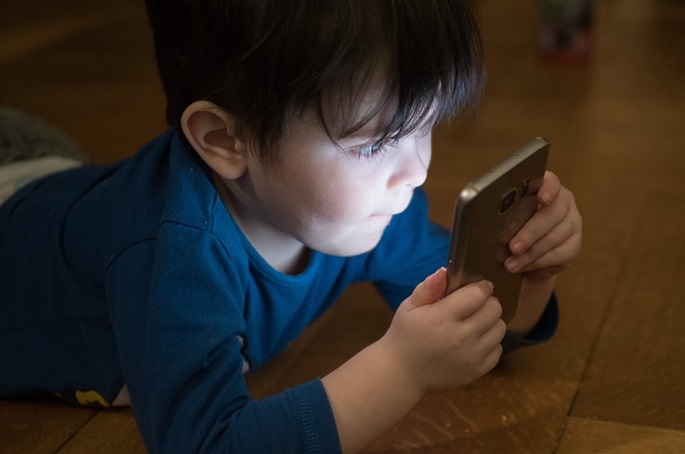
The Finnish authority issued a set of national recommendations seeking restrictions on use of digital devices by children under 13 years.
The recommendation made jointly by the Finnish National Agency for Education and Institute for Health and Welfare (THL), tightened age limit for getting a smartphone, which is now 13 years, said an official press release on Thursday.
The recommendations apply to the age limits for the use of digital devices by children aged 0–13, the recommended use of the devices, and the characteristics of harmful and useful content. The recommendations concern children’s free time, and not homework or tasks related to school.
The recommendations included that children under two years should not have screen time while a maximum of one hour of screen time per day could be allowed for children aged two to 10 years and a maximum of two hours for children aged 11–13.
If necessary, adults should restrict the screen time, said the recommendations, adding that the content used on the digital device must be suitable for the child and support development.
For example, this means that the age limits for digital games, television programmes and films must be observed, and the child must not be exposed to harmful content.
“It is the adults’ responsibility to ensure digital peace and a safe childhood for children. The recommendations help and support parents. The preparation of a report on banning social media for children under the age of 15 is under way,” said Minister of Social Security Sanni Grahn-Laasonen, adding that in addition to the recommendations, more stringent regulation is needed to ensure that children can grow up in peace.
The main aim of the recommendations is to promote the comprehensive wellbeing and learning of children. They also help to prevent harmful effects caused by the use of digital devices and the contents.
“The recommendations were drawn up in close cooperation with parties such as non-profit organisations and I am now challenging the physical activity, sports and youth sector to join the implementation of the recommendations. I hope that the recommendations will also inspire families to discuss how they can turn the screen time of children, young people and adults into time engaged in physical activity, sports, outdoor recreation and play,” said Mika Poutala, Minister of Youth, Sport and Physical Activity,
Wide-ranging participation by wellbeing services counties, municipalities and the rest of society is required to promote the digital wellbeing of families and children.
“In early childhood education and care and in comprehensive school education, children learn wellbeing and security skills that will help them operate in digital environments. The organisers of early childhood education and care and the providers of comprehensive education can also work with homes to implement the digital recommendation,” said Anders Adlercreutz, Minister of Education.
The recommendations were made based on a wide range of comments received on the draft recommendation published in October 2025. At the same time, thoughts and opinions on the recommendations were also collected from children.
More than 6,000 comments were received in the survey on the wellbeing and services of families with children opened in October 2025.
Research data, existing recommendations, international recommendations and expertise from different fields were also used extensively in the preparation of the recommendations. A network of 160 experts was involved in the preparation, including specialists from public authorities, research organisations, wellbeing services counties, education and training providers, non-profit organisations and companies.
The work continues during 2026 and recommendations will also be drawn up for young people aged 13–18.
A report on restricting the use of social media by under 15-year-olds is also due to be completed soon under the present government regime.
Widespread AI use among Finnish youth raises safety, literacy concerns: survey
PM visits Kyiv to show Finland’s support for Ukraine
Finland discusses US sanctions against ICC
Finland shuts down public websites over security flaws
JHL calls strike at Parkkipate on Nov 5-9 demanding collective agreement
Proposed electricity market rule contradicts principle of subsidiarity: Grand Committee

Editor-in-Chief Ofiul Hasnat
Published by Finnish News Network (FNN)
Heporinne 4 B 45
01200 Vantaa, Finland.
E-mails : [email protected]