
Trade unions censure
Social security benefit to replace Kela-paid unemployment benefits in May
Published : 17 Dec 2025, 21:15
Updated : 17 Dec 2025, 21:23
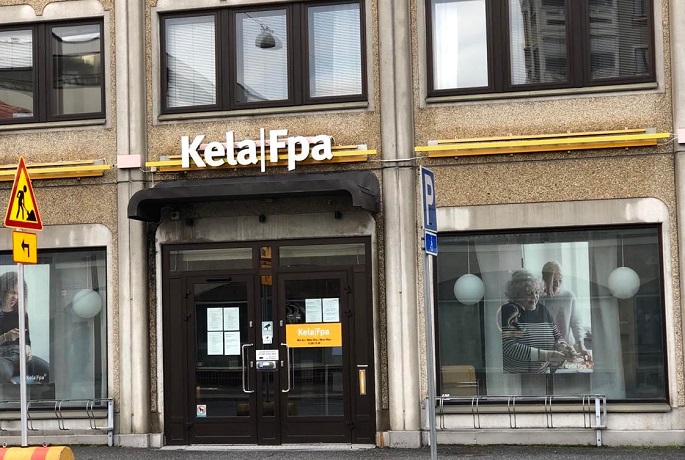
A new form of financial assistance called general social security benefit will be introduced to the Finnish social security system from May 2026, which will replace labour market subsidy and basic unemployment allowance, said the Social Insurance Institution-Kela in a press release on Wednesday.
The Parliament approved the government proposal on the general social security benefit(yleistuki), and the new social security system will come into force on May 1.
Meanwhile, the Central Organisation of Finnish Trade Unions (SAK) criticised the four-party alliance government led by conservative Kansallinen Kokoomus (National Coalition Party-NCP) for the change saying that it will tighten eligibility conditions for basic unemployment benefit claimants and employees who lose their jobs after a long working career.
According to the new system, unemployed jobseekers who do not qualify for or have used up their earnings-related unemployment allowance (ansiopäiväraha) and they need to apply for the general social security benefit from Kela.
In the first phase, the general social security benefit will replace the existing labour market subsidy (työmarkkinatuki) and basic unemployment allowance (peruspäiväraha).
This means that labour market subsidy and basic unemployment allowance will stop being paid when the general social security benefit is implemented.
The basic amount of the general social security benefit is EUR 37.21 per day (about EUR 800 per month) in 2026. It corresponds to the existing labour market subsidy and basic unemployment allowance.
Half of the gross (before taxes) salary or wages people earn from part-time work will be deducted from your general social security benefit.
The general social security benefit will be paid to the unemployed, and it is means-tested.
This means that applicants have to be in need of financial assistance to qualify for the general social security benefit.
If the applicants have other income that is not wages or salary, that income can reduce the amount of benefit.
In addition to capital income, other types of income that can reduce the amount include informal care allowance, partial early old-age pension, compensations for family caregivers, copyright royalties.
Parental income also can affect the general social security benefit.
If the applicants live with parents while Kela pays them the general social security benefit, their income can affect how much they can get similarly to how parental income currently affects labour market subsidy.
However, the general social security benefit will not be affected if parents’ combined income does not exceed EUR 2,500 per month.
This income limit increases by EUR 106 for every child under the age of 18 who lives in the same household as your parents.
However, applicants, will always get at least 35% of the full general social security benefit.
If people get labour market subsidy or basic unemployment allowance when Kela starts paying the general social security benefit, Kela will automatically transfer them under the general social security benefit.
If the unemployment continues, people urged to stay registered as an active jobseeker with the employment services and continue to regularly file unemployment status reports in every 4 weeks.
Kela has been paying basic unemployment allowance since 1985 and the labour market subsidy since 1994.
In 2024, Kela paid a total of EUR 1,912 million in unemployment benefits. Altogether 80,726 recipients were paid basic unemployment allowance in 2024 while 241,449 recipients got labour market subsidy.
3 killed in house fires in Sodankylä, Hamina, Lappeenranta
11 killed in road mishaps in Finland in November
1 killed after falling from tower, 1 burnt to death in house fire
Govt moves to ease on site alcohol sale by small producers
PM apologises over racist gesture toward Asian people
Finland to tighten social assistance criteria from February

Editor-in-Chief Ofiul Hasnat
Published by Finnish News Network (FNN)
Heporinne 4 B 45
01200 Vantaa, Finland.
E-mails : [email protected]
To Editor: [email protected]