
Lowering temperature at home may entail risks
Published : 10 Sep 2022, 03:01
Updated : 10 Sep 2022, 03:06
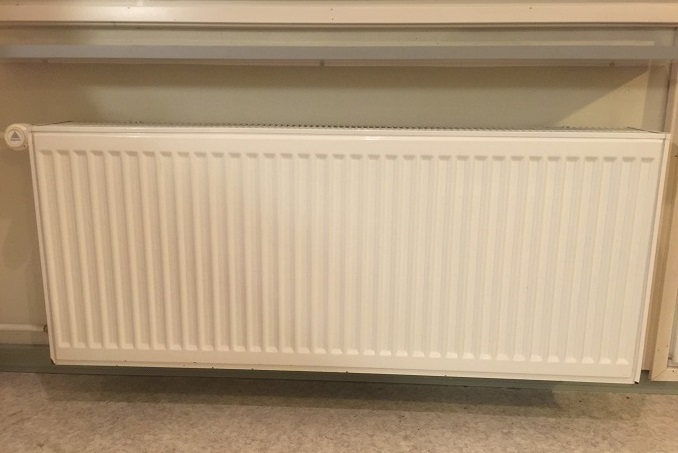
Saving electricity and alternative forms of heating are in the minds of almost every household, but there are risks related to energy conservation that may result in significant damage, said the Pohjola Insurance.
Energy saving measures are now relevant for almost all households and there is increased interest towards alternative forms of heating, said OP in a press release on Friday.
Reducing the amount of heating may cut expenses, but decreasing the indoor temperature too much may result in significant damage.
“Not many people are aware of the necessary amount of heating for a home or what happens to a building’s structure if the temperature decreases below the minimum safety threshold, which is typically approximately 12 degrees Celsius. At worst, this may lead to large-scale water damage, as pipes freeze and break down”, said Iiris Saranpää, Business Lead, Private Customers Property Insurance of Pohjola Insurance.
An air source heat pump is a good addition for fine-tuning indoor temperature, but it cannot be the only source of heat.
“To avoid damage, the air source heat pump should not be used as the sole source of heating in winter, as they can freeze easily. Air source heat pumps are sensitive to weather phenomena, and their increased popularity is reflected by the amount of broken devices”, said Saranpää.
Many households are planning to conserve energy by using wood-heated fireplaces that retain heat. However, a fireplace that has not been in use for a longer period should be inspected by a professional chimney sweeper before it is safe to use.
A fire that occurs due to insufficient sweeping may lower the amount of compensation paid from your insurance.
“Household fireplaces used in a permanent residence should be inspected at least once a year. If the fireplace is used almost daily, it should be inspected by a chimney sweeper at least once a year. The chimney sweeper will clean the flues and will inspect their fire safety”, stated Saranpää.
A typical fireplace-related accident is that smoke enters the house either because the smoke damper was left closed or because the flue does not have a good draught.
As autumn approaches and fireplaces are increasingly used as a heat source so grows the risks associated with wood heating. Fires should never be left unguarded and fire and smoke detectors should always be in order.
“We expect that the increasing use of fireplaces will also result in household heating-related loss reports becoming more common in autumn. The amount of accident risks will naturally increase as households increasingly use fireplaces as heat sources. However, properly maintained and heated fireplaces are safe to use”, Saranpää added.
Belarus to close embassy in Finland
15 to face trial for producing, selling cannabis in Helsinki
Russian reconnaissance aircraft suspected of violating Finnish airspace
Finland supports aviation safety in Indonesia
Misuse of funds, info most common suspected corruption cases in Finland: study
Espoo, Vantaa cities´ massive job cut moves put services at risk: JHL

Editor-in-Chief Ofiul Hasnat
Published by Finnish News Network (FNN)
Heporinne 4 B 45
01200 Vantaa, Finland.
E-mails : [email protected]