
Residential green space increases microbiota indoors diversity
Published : 04 Sep 2021, 00:44
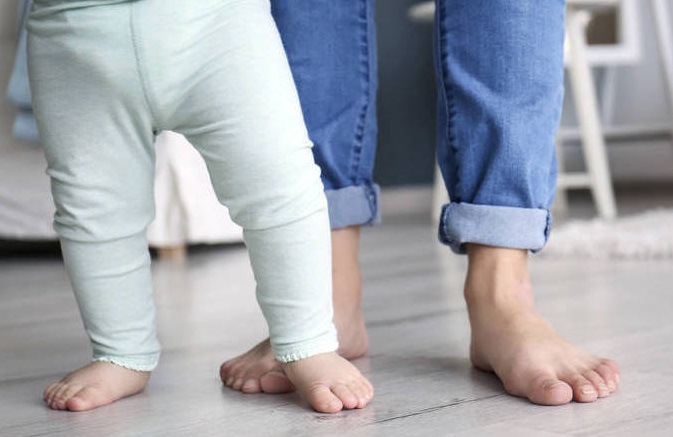
Residential green space surrounding the home can add to the diversity of microbiota inside the home, according to study.
This finding of the study has been reported in the scientific journal ‘Environmental Research’ based on the work of an international research collaboration, said the Finnish Institute for Health and Welfare (THL) in a press release on Friday.
Earlier research findings have suggested that higher microbial diversity in a child’s home, especially when enriched by outdoor environmental microbes, could protect from development of asthma and allergies later in life.
According to this study, different types of residential greenness affect the richness of different microbes indoors. While more generally the presence of ’nature’ in the close vicinity of the home increased indoor bacterial diversity, it was especially the presence of higher growing plants, such as bushes and trees in the closer surrounding that were associated with increased fungal diversity in the home.
”We still need confirmation of these findings from future studies and find out whether the impact of residential green space on the indoor microbiome is in fact health promoting. If this was the case, such benefits of residential greenness could be taken into account in city planning, in ways that would support the presence of environmental microbes in the daily lives of children also when growing up in cities”, said THL’s chief researcher Martin Täubel.
In this research, samples were collected in residential homes in Belgium. The study aimed to clarify, how different types of residential green space impact the indoor microbiota.
THL’s research team was responsible for the home microbiota measurements and contribute to the statistical analyses.
Online illegal wildlife trade poses risks to biodiversity: study
Finland to host Arctic summit of EU leaders in September
Woman killed in road mishap in Helsinki
Man to face charges for hoisting Swastika flag in yard
Belarus to close embassy in Finland
15 to face trial for producing, selling cannabis in Helsinki

Editor-in-Chief Ofiul Hasnat
Published by Finnish News Network (FNN)
Heporinne 4 B 45
01200 Vantaa, Finland.
E-mails : [email protected]