
High pollen density in air correlates with rise in Covid-19
Published : 10 Mar 2021, 02:42
Updated : 10 Mar 2021, 09:22
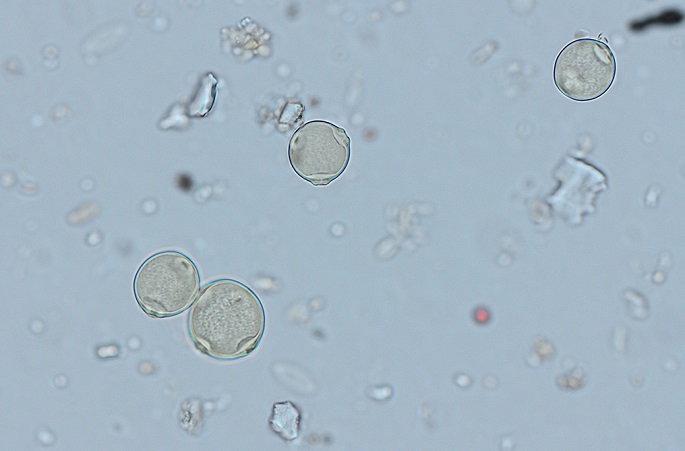
Higher pollen concentrations in the air correlate with increased Covid-19 infection rates, said the Finnish Meteorological Institute (FMI), quoting a recent international study.
Pollen exposure weakens the response of immune system to some seasonal respiratory viruses. The effect was not connected with pollen allergy, but exposure to pollen can in itself weaken the capability of the body to fight off viruses.
Various factors explain the variation in Covid-19 infection rates. The study reports that airborne pollen, sometimes in synergy with humidity and temperature, explained on average over 40% of the increase in the SARS-CoV-2 infection rate. The effect of high airborne pollen concentrations was not immediate. In most cases, infection rates increased four days after the peak in pollen concentrations. That corresponds roughly to the Covid-19 incubation period.
Microbiological laboratory experiments, reported in preceding publications, showed that pollen itself impacts the antiviral defence of the respiratory epithelium, where the viruses attack. Pollen exposure diminishes the release of antiviral interferon. These interferons help the immune system fight the viruses. Thus, exposure to pollen can diminish the immunity against viruses.
The study also estimated effects of different lockdown measures in the spring of 2020. Without lockdown measures, high airborne pollen abundance can lead to a noticeable increase in infection rates – up to tens of per cent.
Lockdown measures halved the infection rates under similar pollen concentrations.
“Attention should be paid to timely information on the forthcoming pollen season and days with particularly high pollen concentrations. As a practical measure, it is recommended to reduce the pollen exposure during high pollen season. Pollen exposure can be avoided by reducing the time spent outdoors during the peak pollen season or using pollen particle-filtering masks outdoors,” said Professor Mikhail Sofiev of the FMI, who participated in the data analyses of the study.
“The pollen season is about to begin, and the up-to-date information on pollen concentrations in the air can be found on Norkko service, a website maintained by the Pollen Forecasting of the University of Turku,” said University of Turku Adjunct Professor Annika Saarto.
From Finland, the Finnish Meteorological Institute (FMI) and the University of Turku (UTU) participated in the study.
The study is published in the highly-rated journal Proceedings of the US National Academy of Sciences (PNAS) in March 2021. The study used data from 31 countries and around 150 scientists all around the world participated in the work.
Birth rate remains lower than death in Finland in Jan-July period
Online illegal wildlife trade poses risks to biodiversity: study
Finland to host Arctic summit of EU leaders in September
Woman killed in road mishap in Helsinki
Man to face charges for hoisting Swastika flag in yard
Belarus to close embassy in Finland

Editor-in-Chief Ofiul Hasnat
Published by Finnish News Network (FNN)
Heporinne 4 B 45
01200 Vantaa, Finland.
E-mails : [email protected]