
Traffic, neighbours make most noises
Published : 09 Mar 2021, 00:33
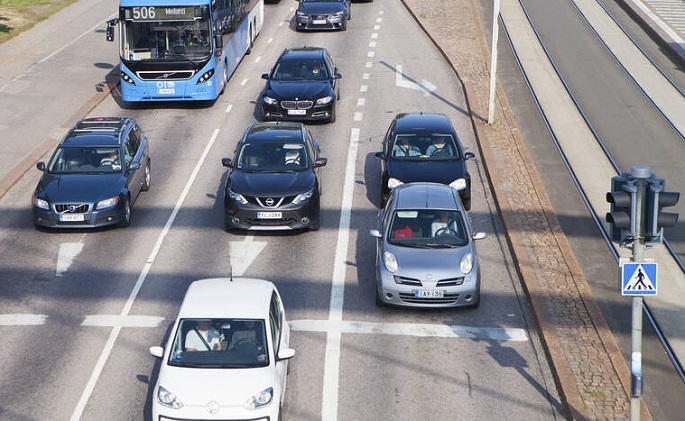
Noises caused by road traffic and nearby neighbours are the most common sources of environmental noise annoyance, said the Finnish Institute for Health and Welfare (THL) on Monday, referring to the findings of a study conducted recently.
The study, for the first time, examined the extent to which people are annoyed by different sources of environmental noise in their daily lives.
According to the study, 4.8 per cent of the respondents felt that road traffic noise was very annoying, while the noises from nearby neighbours were considered very annoying by 4.5 per cent of the respondents.
“Society is gradually recognising the harmful effects of road traffic noise. In the future, the harmful effects of noise caused by neighbours should also be considered as an important source of environmental noise,” said THL Senior Researcher Anu Turunen.
Other sources of environmental noise included in the study were rail, tram, and air traffic, industry ports, and, in addition to nearby neighbours, other neighbourhood noises.
About one-fifth classify themselves as noise-sensitive. Perceiving noise as annoying is very individual.
“This experience is influenced not only by the physical characteristics of the sound and the exposure situation, but also by individual characteristics such as noise sensitivity and attitude towards the noise source. Depending on the person, for example, the noise caused by neighbours can be perceived as very annoying, even if the sound pressure level is low and the noise could be classified as normal living sounds,” said Turunen.
In Finland, about one-fifth people classify themselves as noise-sensitive. In this study, whether or not the respondents classified themselves as noise-sensitive appeared to determine how annoyed they were by environmental noise.
The study was based on the survey data collected by THL in 2015, which covered the whole of Finland (Regional Health and Well-being Study, ATH).
A sample of 38,000 Finns over the age of 20 was randomly selected for the survey. The response rate to the survey was 53 per cent, i.e., responses were received from about 20,000 people.
Birth rate remains lower than death in Finland in Jan-July period
Online illegal wildlife trade poses risks to biodiversity: study
Finland to host Arctic summit of EU leaders in September
Woman killed in road mishap in Helsinki
Man to face charges for hoisting Swastika flag in yard
Belarus to close embassy in Finland

Editor-in-Chief Ofiul Hasnat
Published by Finnish News Network (FNN)
Heporinne 4 B 45
01200 Vantaa, Finland.
E-mails : [email protected]