
37% salary earners find workload too much
Published : 10 Nov 2020, 17:39
Updated : 11 Nov 2020, 10:10
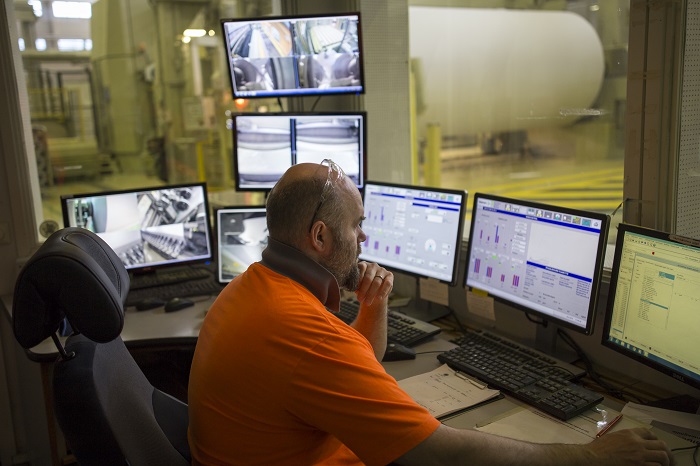
More wage and salary earners than before consider their work mentally strenuous and close to a half of them experience harmful stress at work, according to the Working Life Barometer published on Tuesday by the Ministry of Economic Affairs and Employment.
Meanwhile, the majority of wage and salary earners experience engagement – enthusiasm, drive, and immersion – in their work, said a press release of the ministry.
For the first time in 2019, the Working Life Barometer surveyed the symptoms of work exhaustion.
The most commonly experienced symptom of work exhaustion is mental exhaustion, that is chronic fatigue, which is experienced always or often by 12% of wage and salary earners and sometimes by 37% of them.
About 10% of those surveyed experienced a lack of enthusiasm and concentration difficulties always or often, while slightly less than a third reported having such experiences sometimes. Difficulty in managing emotions is was the least commonly experienced symptom.
The symptoms of work exhaustion are linked to the experience of haste, stress, and mental strain of work. Women experience symptoms of exhaustion more often than men and non-manual workers more often than manual workers did. The symptoms of work exhaustion are most common in the municipal sector.
“In many ways, today’s working life requires much more from employees than before. From the perspective of extending careers, it is essential that people can handle working life. Minister of Employment Tuula Haatainen said by developing skills and the way we work we can promote wellbeing at work as well as longer careers.
Despite the occasional strain of work, the majority of wage and salary earners have experienced a positive feeling of engagement in their work. In 2019, most wage and salary earners reported feeling enthusiasm (64%) and drive (63%) in their work. In addition, more than half (56%) had experienced immersion in the work. Gender, age or socio-economic status had surprisingly little impact on the experience of work engagement. Employees in the municipal sector felt work engagement most often.
“This feeling of engagement is a good example of how successfully developing working life has increased well-being at work and at the same time improved productivity. Employees who are engaged in their work feel better in general and are more productive. This, in turn, plays an important role in the success of organisations,” Haatainen added.
IAEA team visits Finland to evaluate radiation emergency preparedness
Finland to redefine ties with Russia after Ukraine war ends: Stubb
Birth rate remains lower than death in Finland in Jan-July period
Online illegal wildlife trade poses risks to biodiversity: study
Finland to host Arctic summit of EU leaders in September
Woman killed in road mishap in Helsinki

Editor-in-Chief Ofiul Hasnat
Published by Finnish News Network (FNN)
Heporinne 4 B 45
01200 Vantaa, Finland.
E-mails : [email protected]