
THL for renewed food-based diet for whole family regardless of age
Published : 28 Nov 2026, 00:13
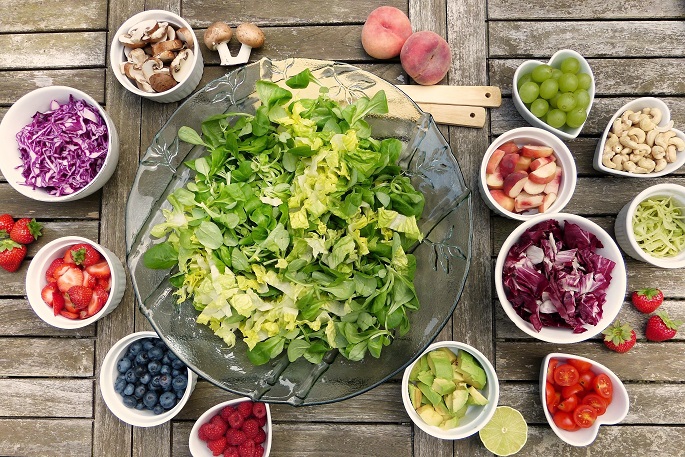
The Finnish Institute for Health and Welfare (THL) recommended a healthy, sustainable and varied plant-based diet for the whole family, regardless of age, said an official press release on Friday.
The cross-cutting themes of the guidelines are the health and environmental impacts of nutrition, as well as the prevention of overweight and obesity.
The National Nutrition Council and the THL have renewed the food-based dietary guidelines for families with children to align with them with the National Nutrition Recommendations published in 2024 and the latest scientific evidence.
A healthy diet is varied and plant-based. It is based on wholegrain products, vegetables, berries, fruit and pulses.
It also includes fish, vegetable oils and other sources of unsaturated fats, such as nuts and seeds, as well as fat-free and low-fat dairy products or fortified plant-based drinks. A varied diet may also include moderate amounts of eggs and poultry, and some red meat.
“Individual food choices do not determine whether a diet is healthy or unhealthy; what matters is the overall diet and the choices we make repeatedly in our everyday lives. Even small positive changes in dietary habits are valuable,” said Sari Niinistö, Research Manager and member of the working group responsible for the guidelines.
The food-based dietary guidelines for families with children are based on the Nordic Nutrition Recommendations and the Sustainable health from foods - National Nutrition Recommendations 2024, as well as scientific evidence and good practices. Finnish food culture and dietary habits have also been considered in developing the guidelines.
The varied and diverse plant-based diet described in the guidelines ensures an adequate intake of essential nutrients at different ages and stages of life. A plant-based diet supports children's and adolescents' growth and development and helps prevent disease.
The guidelines describe the nutritional status of women planning pregnancy, pregnant and breastfeeding women, as well as children and adolescents in Finland.
Children's and adolescents' diets face some of the same challenges as those of adults. In particular, the consumption of wholegrains, fruits and vegetables, pulses and fish is lower than recommended, while red meat and processed meat products are consumed in excessive amounts. Snacks and other between-meal foods often provide substantial amounts of energy relative to their nutritional value. Intakes of saturated fat, salt and sugar are also too high.
The quality of pregnant women's diets is closer to the recommended level than that of other women of the same age. Dietary quality has been found to improve somewhat towards the end of pregnancy compared with early pregnancy, and to decline during breastfeeding. Pregnancy therefore provides a particularly good opportunity to make lifestyle changes across the whole family. Such changes can reduce pregnancy-related risks and have a lasting positive impact on health.
“A healthy and varied diet ensures that children receive sufficient amounts of essential vitamins and minerals. Vitamin D is the only nutrient for which supplementation is additionally recommended. Healthy nutrition also plays a key role in the prevention and treatment of overweight and obesity,” said Suvi Virtanen, Professor and Chair of the working group.
Although diseases that can be prevented through lifestyle choices generally manifest themselves in adulthood, obesity is already associated with a significantly increased risk of conditions such as high blood pressure, impaired glucose and lipid metabolism, and fatty liver disease during childhood and adolescence.
Food accounts for a substantial proportion of household expenditure in Finland, and food prices often influence purchasing decisions. The revised FBDGs include practical tips to help families make healthy food choices affordably.
Basic foodstuffs such as root vegetables, cabbages, potatoes, wholegrain products, pulses and eggs are affordable throughout the year and provide a good foundation for a varied diet.
Food expenditure can also be reduced by planning meals and shopping in advance, making use of seasonal produce and reducing food waste.
The current food environment does not adequately support healthy food choices and exposes children and adolescents to weight gain.
“Products high in sugar, salt or saturated fat are readily available in shops, kiosks and other leisure-time environments, among other places. Marketing of these products, particularly digital marketing, is highly effective and contributes to influencing consumer choices,” said Päivi Mäki, Chief Specialist and member of the working group responsible for the guidelines.
The food environment should be developed to support healthier choices. Measures could include health-oriented food pricing, product placement, restrictions on the marketing of unhealthy foods and improvements in the nutritional quality of food products.
The guidelines emphasise the importance of food education in developing health-promoting dietary habits. It is important to support parents in finding practices that work for their family's everyday life. Shared meals, positive conversations about food, and involving, encouraging and supporting children all foster a healthy relationship with food and the joy of eating.
The food-based dietary guidelines for families with children are intended for professionals who encounter nutritional issues relating to women planning pregnancy, pregnant and breastfeeding women, and families with children in their work. The guidelines also support diverse families and individuals in their respective life situations.
THL for introduction of health-based taxation of foods in Finland
Obesity remains common among Finnish children: THL
Fats, carbohydrates quality of youth´s diet needs to improve: THL
Most of dead from brain hemorrhage never received neurosurgical treatment: study
Stress makes harder for parents to understand child’s emotions: study
Finland lags behind Norden to reach HPV vaccination target

Editor-in-Chief Ofiul Hasnat
Published by Finnish News Network (FNN)
Heporinne 4 B 45
01200 Vantaa, Finland.
E-mails : [email protected]