
THL for introduction of health-based taxation of foods in Finland
Published : 24 Nov 2026, 22:42
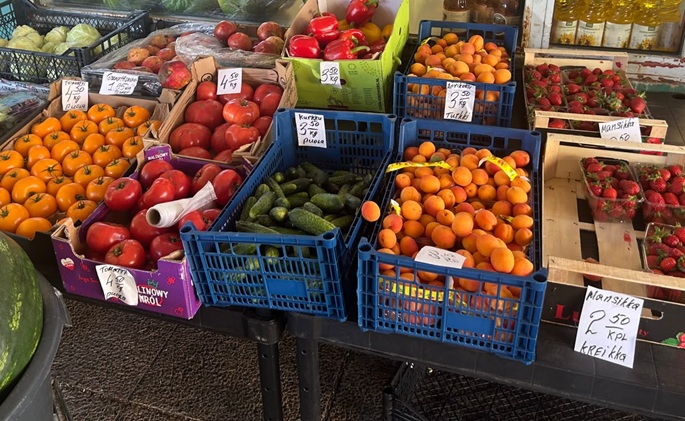
The Finnish Institute for Health and Welfare (THL) proposed that a health-based taxation model for foods be introduced in Finland during the next government term, said the THL in a press release on Tuesday.
The aim is to steer consumption towards healthier choices and promote population health, which would reduce healthcare costs in the long term.
Under a comprehensive health-based taxation model, taxes would be increased on foods high in saturated fat, sugar or salt, while the tax rate on health-promoting foods, such as vegetables, berries and fruit, would be reduced.
The model is in line with the World Health Organization’s (WHO) recommendations on nutrition policy.
Health-based taxation of foods and other policy measures was discussed at a major policy debate at Helsinki Central Library Oodi on Tuesday.
“The aim is to make healthy food choices easier and more attractive. Taxation would also encourage the food industry to develop healthier products, which would benefit all consumers,” said Mika Salminen, Director General of THL in the press release.
As the comprehensive taxation model would be based on the saturated fat, sugar or salt content of foods, it would not treat individual product categories differently.
“Both price and availability influence consumers’ choices. However, the change in price resulting from taxation needs to be large enough to have a significant impact on consumers’ purchasing behaviour and, consequently, on the dietary habits and health of the population,” Salminen added.
Earlier on Monday the THL released a research based statistics, which showed that the Finnish diet contains too much saturated fat and salt and too few vegetables, berries, fruit and wholegrain foods. In addition, at least one in four adults and one in three young people consume too much sugar in their diet.
Overweight and obesity are still common among children and the situation has not changed significantly compared with 2024.
A total of 26% of boys and 18% of girls aged 2–16 had overweight or obesity in 2025, said the THL in a press release on Monday referring to the statistics.
A growing body of research evidence links the consumption of foods high in saturated fat, sugar or salt to obesity and chronic diseases such as type 2 diabetes and cardiovascular diseases.
“By introducing a comprehensive health-based taxation model, Finland can lead the way,” Mika Salminen said.
Health-based taxation should form part of a broader package of measures. Other measures needed include restricting the marketing of unhealthy foods, promoting the development of healthier food products and improving the availability of healthier alternatives, as well as clear package labelling that indicates nutritional quality.
Research has found the effectiveness of voluntary agreements to be limited. THL therefore proposes health-based taxation as one of the measures for the next government term to improve nutrition and health in Finland.
Obesity remains common among Finnish children: THL
Fats, carbohydrates quality of youth´s diet needs to improve: THL
Most of dead from brain hemorrhage never received neurosurgical treatment: study
Stress makes harder for parents to understand child’s emotions: study
Finland lags behind Norden to reach HPV vaccination target
Toxins levels in breast milk drop in Finland significantly

Editor-in-Chief Ofiul Hasnat
Published by Finnish News Network (FNN)
Heporinne 4 B 45
01200 Vantaa, Finland.
E-mails : [email protected]