
Disparities among wellbeing counties threaten fair access to services
Published : 04 Nov 2026, 19:21
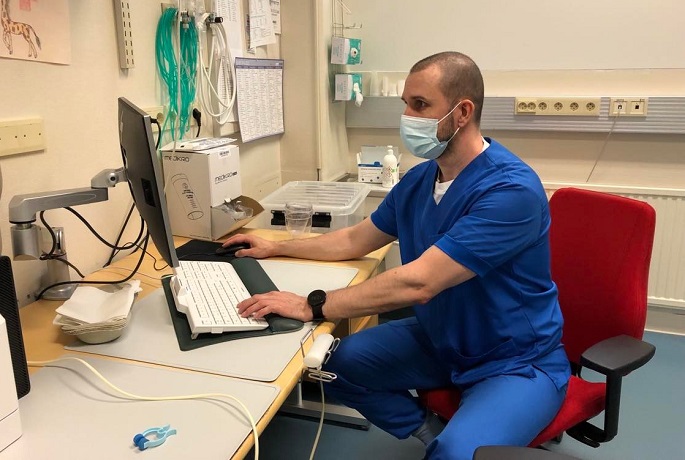
Differences between the wellbeing services counties in demographic trends, service needs and economic operating conditions have deepened, according to the national expert assessment on the organising of healthcare and social welfare published by the Finnish Institute for Health and Welfare (THL) on Wednesday.
These disparities threaten equitable access to services and make it more difficult to reform health and social services, particularly in areas where the population is declining, service needs are increasing and financial room for manoeuvre is shrinking, said the assessment.
“The wellbeing services counties have succeeded in stabilising their finances, curbing cost growth and improving access to many services. At the same time, however, differences between the counties are increasing. Long-term solutions will be needed during the next government term to safeguard equitable access to health and social services throughout the country,” said Piia Aarnisalo, Deputy Director General at THL.
Overall, the finances of the wellbeing services counties developed positively last year, and the accumulated deficit decreased to EUR 1.7 billion at the national level. In 2025, the combined result of the counties showed a surplus of approximately EUR 725 million, and only six counties posted a deficit.
However, this positive overall picture masks significant regional differences. In some counties, large deficits, growing service needs and slower growth in funding mean that pressure for extensive adjustment measures will remain.
In areas experiencing population decline, securing services is becoming increasingly difficult as financial room for manoeuvre narrows. The most challenging situation is in counties where costs are high, deficits substantial, funding growth is slow and structural reforms remain unfinished. Continuous change negotiations related to financial adjustment have also placed a strain on staff wellbeing.
“The fact that several wellbeing services counties have entered the Ministry of Finance’s special assessment procedure demonstrates the seriousness of the situation. This is not simply about individual financial indicators but about the differing capacities of counties to respond to growing service needs and renew their services,” said THL’s Leading Specialist Nina Knape.
The wellbeing services counties have strengthened basic-level services as well as structures that promote wellbeing, health and safety. However, the effects of these changes become visible only gradually, and the work requires adequate resources.
Dismantling heavy service structures and developing alternative services take time.
Waiting lists in specialised healthcare have been reduced, but sustainable change requires stronger cooperation across regional boundaries
Nevertheless, substantial regional differences remain in both the costs and use of specialised healthcare, and these can only partly be explained by differences in service needs. According to THL’s assessment, decisions concerning the division of responsibilities in specialised healthcare require stronger cooperation across wellbeing services county boundaries and a national-level review of the hospital network.
“The reduction in waiting lists demonstrates that the system is capable of responding even to major challenges when sufficient attention and resources are directed towards them. The key question, however, is how sustainable these results will be. Unless service structures and cooperation between counties are developed systematically over the long term, waiting lists may begin to grow again,” said THL’s Service System Director Anu Niemi.
Supply shortage delays influenza vaccination at Helsinki maternity, child health clinics
15 more swing flu cases spotted in Pyhtää, Virolahti, Lappeenranta
Restricted area likely to expand as swine flu spreads in Virolahti
Trio win Nobel in Physiology or Medicine for optogenetics
Health-based food tax to support healthier choices: THL, Heath Association
Alcohol labels often omit health risks: study

Editor-in-Chief Ofiul Hasnat
Published by Finnish News Network (FNN)
Heporinne 4 B 45
01200 Vantaa, Finland.
E-mails : [email protected]