
Health-based food tax to support healthier choices: THL, Heath Association
Published : 25 Sep 2026, 01:43
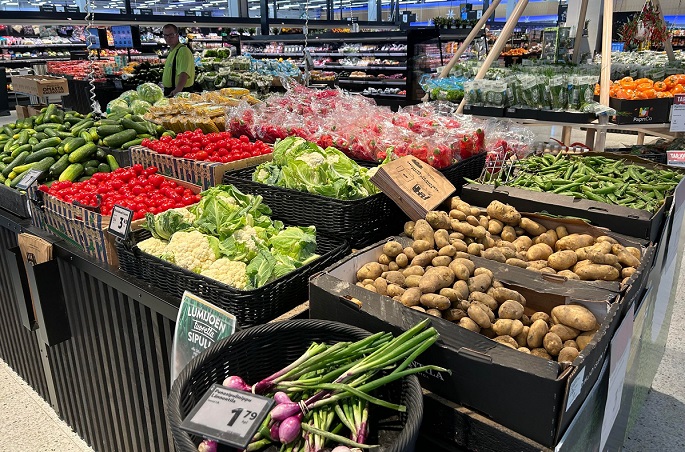
A health-based food taxation model is one of the policy solutions proposed by the Finnish Institute for Health and Welfare (THL) and the Finnish Heart Association for the next government term, said THL in a press release on Thursday.
A comprehensive health-based food taxation model would support healthier choices by encouraging the selection of products lower in salt, sugar, and saturated fat, while encouraging the food industry to develop healthier products.
At the same time, tax rates on vegetables, berries, and fruits could be reduced.
Currently, one tool used by industry, retailers, and restaurants is the Heart Symbol. This front-of-pack and menu label helps consumers identify products and meals that are nutritionally superior choices within their product category.
“It is great to see restaurants, food manufacturers, and retailers making lower-salt products available to consumers and adopting the Heart Symbol. This positive development should be strengthened further so that consumers can more easily choose tasty options with less salt,” said Marjaana Lahti-Koski, Secretary General of the Finnish Heart Association.
Salt intake among working-age adults in Finland remains high. At the same time, the long-term decline in blood pressure levels has stalled. To reverse this trend, new population-level measures are needed.
According to the national nutrition recommendations, daily salt intake should not exceed five grams. Nearly all working-age adults consume more salt than this recommended amount.
According to a recently published study, the average salt intake among working-age men in 2023 was 10,3 grams per day and among women 7,6 grams per day. Intake levels remained unchanged from 2017.
Most dietary salt comes from grain products such as bread, processed meat products such as sausages, as well as cheeses and various ready-made meals.
Excessive salt intake increases blood pressure and, over time, also places a strain on the kidneys.
Reducing salt intake is an effective way to prevent elevated blood pressure
Blood pressure control is a key strategy for preventing cardiovascular diseases, which remain the leading cause of death in Finland.
The blood pressure of the Finnish population declined for decades until the early 2000s. Since then, this positive development has plateaued, highlighting the need for new and effective actions. In 2023, 43% of working-age men and 32% of working-age women had elevated blood pressure or were using antihypertensive medication.
In addition to high salt intake, blood pressure is influenced by other lifestyle factors, obesity, age, and genetic predisposition.
“Reducing salt intake is a well-established and effective population-level measure for preventing elevated blood pressure. At the same time, it is important to strengthen the overall quality of the diet by ensuring adequate consumption of vegetables, berries, fruits, and fibre,” said Niina Kaartinen, senior researcher of THL.
Alcohol labels often omit health risks: study
Restricted area expands as swine flu spreads in Lappeenranta
Genetic testing may reveal cause of youth sudden death: study
More areas marked as restricted zone for African swine fever
Restricted zone expanded as swine flu spreads in Finland
Youths´ food choices in Finland remain far from healthy diet: THL

Editor-in-Chief Ofiul Hasnat
Published by Finnish News Network (FNN)
Heporinne 4 B 45
01200 Vantaa, Finland.
E-mails : [email protected]