
Antimicrobial resistance bacteria grow in Finland slightly
Published : 18 Nov 2025, 22:16
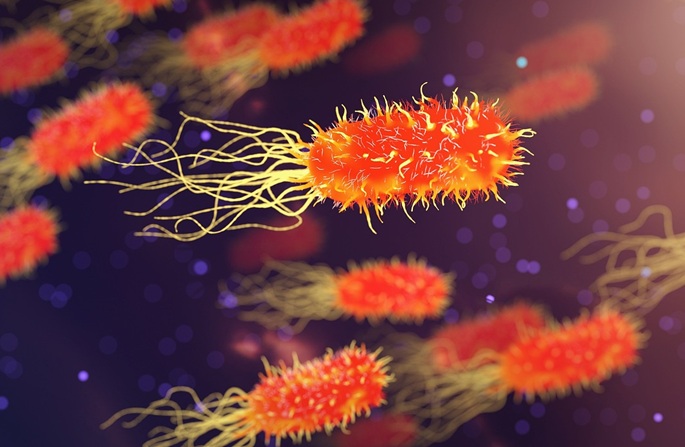
Antimicrobial resistance occurs significantly less in Finland than in many other European countries, said Finnish Institute for Health and Welfare (THL) on Tuesday referring to the World Health Organization (WHO).
However, according to a recent monitoring report, the proportion of antibiotic-resistant bacteria has also grown slightly in Finland.
Antibiotic resistance is one of the biggest global health threats. It makes infections harder to treat and increases mortality. The situation in Finland is good but maintaining it requires action and raising awareness about combating antibiotic resistance.
For example, increasing resistance among E. coli and K. pneumoniae bacteria that cause various infections, as well as the growing prevalence of severe infections caused by MRSA (methicillin-resistant Staphylococcus aureus), are national concerns.
These resistant bacteria are also among those that the EU Council recommends member states prioritize in prevention efforts.
In addition, hypervirulent K. pneumoniae strains, which spread easily and cause severe disease, represent a new global threat.
Antimicrobial resistance is addressed through national action plans based on WHO’s model. By the end of 2023, 178 countries, including Finland, had developed such plans.
“Combating resistance requires multidisciplinary and long-term cooperation. Most of the work is done in hospitals and long-term care facilities. It is particularly important to identify resistant bacteria and prevent their spread in healthcare settings,” said Jari Jalava, Chief Specialist of THL.
Measures to combat antibiotic resistance have been implemented in Finland since the early 1990s, which explains the good situation.
“Maintaining this good situation, however, requires continued strong commitment,” Jalava added.
Finland’s action plan includes training healthcare personnel on resistance prevention, improving monitoring of antimicrobial resistance and drug use, guiding medication practices, infection prevention, and controlling outbreaks of multidrug-resistant bacteria.
The goal is to preserve the effectiveness of antimicrobial drugs for treating infections in humans and animals.
Finland has been a pioneer in regulating antibiotic use in animals. Total sales of antibiotics for animals have been moderate but have still almost halved in 30 years.
Special attention has been paid to reducing the use of antibiotics that are critically important for human medicine in animals to secure their effect. For example, the use of third-generation cephalosporins in animals has always been very low in Finland but decreased further by 96 percent between 2012 and 2017.
Finland’s example shows that producing animal-based food is possible with moderate use of antimicrobial drugs, which is important for human health. Resistant bacteria can transfer between animals and humans.
The spread of antibiotic resistance should be considered especially when traveling abroad, as travel increases the spread of resistant bacteria between countries.
Resistance increases fastest in tropical regions. After a trip to the tropics, 20–70 percent of travellers carry bacteria resistant to key antibiotics.
Antibiotic resistance means that a bacterium can withstand antibiotics. In addition to bacteria, other microbes, such as viruses, fungi, and protozoa, can also develop resistance to drugs used for treatment.
Excessive use of antibiotics and other antimicrobial drugs accelerates the emergence and spread of drug-resistant pathogens.
According to the WHO, antibiotic resistance increased by more than 40 percent between 2018 and 2023.
Globally, one in six bacterial infections is already resistant to common antibiotics, making treatments less effective and increasing the risk of complications.
An estimated 4.7 million deaths each year are linked to antibiotic resistance, making it one of the biggest global health threats.
Health-based food tax to support healthier choices: THL, Heath Association
Alcohol labels often omit health risks: study
Restricted area expands as swine flu spreads in Lappeenranta
Genetic testing may reveal cause of youth sudden death: study
More areas marked as restricted zone for African swine fever
Restricted zone expanded as swine flu spreads in Finland

Editor-in-Chief Ofiul Hasnat
Published by Finnish News Network (FNN)
Heporinne 4 B 45
01200 Vantaa, Finland.
E-mails : [email protected]