
Swimmers warned against toxic algae in Baltic Sea, German lakes
Published : 15 Aug 2026, 23:24
Updated : 15 Aug 2026, 23:43
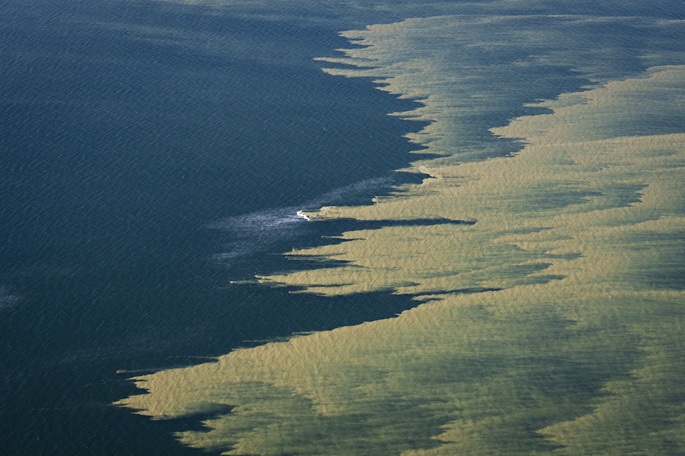
Potentially toxic blue-green algae have spread in the Baltic Sea and in lakes on Germany's northern coastline, prompting health authorities to issue warnings to bathers to avoid visible concentrations in the water, reported dpa.
Satellite images from the Federal Maritime and Hydrographic Agency show large mats of the algae off the coast between Rostock and Germany's Hiddensee island, extending across the sea to the Danish coast.
Authorities in the state of Mecklenburg-Vorpommern noted that the algae, which are in fact cyanobacteria, can produce toxins that can cause allergic reactions.
Human contact can also lead to skin and mucous membrane irritation, while swallowing larger quantities of the water may cause nausea and vomiting.
Swimming bans were also issued for several lakes in the neighbouring state of Schleswig-Holstein due to the appearance of blue-green algae. The bans are expected to remain in effect until Wednesday.
Summer weather provides ideal conditions for the cyanobacteria, which are not visible to the naked eye but become visible in large numbers, appearing as streaks or discolouration in the water.
Visible algal blooms depend on wind and weather conditions and can change within a few hours.
The state government advises against swimming and bathing if the water becomes too cloudy and murky to see your feet below knee height. In such cases, young children should also refrain from playing on the shore or splashing in shallow water.
Suspected Russian spy in pre-trial detention in Germany
Verdi calls first nationwide strikes at German private banks
Macron calls for halt to demonstrations in coming days
2 killed, 34 injured in Russian attacks on Ukraine
Germany arrests Ukrainian for spying on defence production for Russia
Merz pledges support for EU accession of West Balkan states

Editor-in-Chief Ofiul Hasnat
Published by Finnish News Network (FNN)
Heporinne 4 B 45
01200 Vantaa, Finland.
E-mails : [email protected]