
Verdi calls first nationwide strikes at German private banks
Published : 23 Oct 2026, 23:32
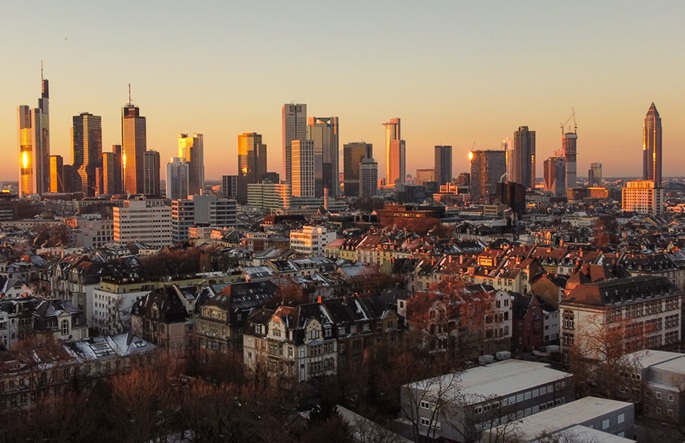
The German services trade union verdi has called for the first nationwide strikes at private banks in wage talks covering about 150,000 employees, it said on Friday.
This increases pressure ahead of the second round on November 2, after employers made no offer at the start of talks in early October.
"Banks deliver on profits, but when it comes to pay, they still owe their employees an offer," said chief negotiator Jan Duscheck. "Those who contribute to the industry's success every day rightly expect a fair share."
In Hamburg, the union is calling for full-day strikes on Monday, including at branches of Deutsche Bank, UniCredit and Commerzbank. Further actions next week are to be announced regionally.
Employers rejected the demands as excessive. Carsten Rogge-Strang, chief executive of employers' association AGV Banken, told dpa that he expected the strike to remain manageable and to have "no noticeable effects on banking operations."
He added that whether employers present a pay offer also depends on verdi's willingness to negotiate. He said the catalogue of demands must be significantly "streamlined."
Demand for 6% more pay
Verdi is demanding a 6% pay rise plus €300 ($336) more a month for junior staff with a contract term of 12 months. The pay increases should also apply to employees paid above and outside the collective wage agreement, the union said, pointing to high profits in the banking sector and rising living costs.
Verdi said employers had it in their hands to clear the way for a good collective agreement with a serious offer.
At the start of talks in October, employers had rejected some demands across the board. They said they were not willing to negotiate tighter dismissal protection rules. Companies also did not need collective-bargaining guidance on transformation processes, they said.
In addition to pay rises, verdi wants to regulate the use of artificial intelligence and demands binding agreements on job protection, staff planning and training. Employees should also be able to convert pay components into up to 20 additional days off a year.
Employers also reject this. They said the demand would amount to a cut in working hours of almost 10% and make "any serious staff planning absurd."
Suspected Russian spy in pre-trial detention in Germany
Macron calls for halt to demonstrations in coming days
2 killed, 34 injured in Russian attacks on Ukraine
Germany arrests Ukrainian for spying on defence production for Russia
Merz pledges support for EU accession of West Balkan states
Macron vows to prevent riots at fresh protests scheduled for Saturday

Editor-in-Chief Ofiul Hasnat
Published by Finnish News Network (FNN)
Heporinne 4 B 45
01200 Vantaa, Finland.
E-mails : [email protected]