
German-Dutch corps to lead new NATO command centre in Baltics
Published : 28 May 2026, 21:42
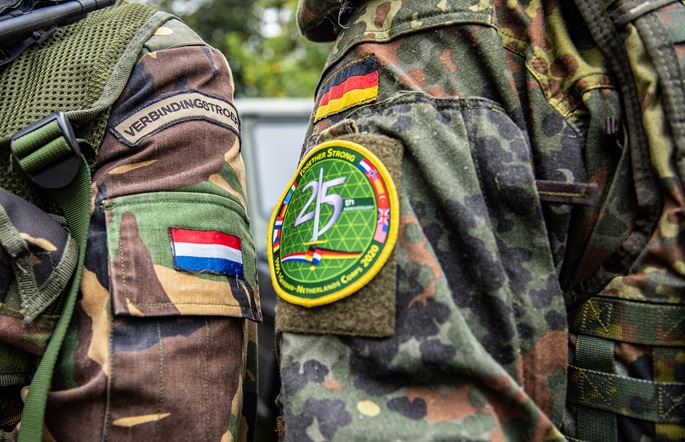
Germany and the Netherlands are to jointly lead a new NATO command centre in Estonia aimed at increasing deterrence amid a perceived threat from Russia, the defence ministries of the two countries said on Thursday.
NATO troops stationed at the new tactical command centre in the Baltics are to be led by a multinational formation comprising Dutch and German forces, the so-called 1 German-Netherlands Corps (1GNC).
The 1GNC will take on the role from the middle of this year, according to the statements.
It will be tasked with leading NATO exercises as well as defending the alliance's eastern flank in the event of an attack, a responsibility that has so far fallen on the NATO command centre in Poland.
NATO's 32 member states agreed to establish a new command centre in the Baltic region at their annual summit last year, the German Defence Ministry said.
The three Baltic states of Estonia, Lithuania and Latvia, three of Ukraine's most ardent supporters within NATO, have been increasingly caught in the crosshairs of Russia's invasion, seeing a rising number of drone incursions in recent months.
Due to their geographical proximity to Russia and its ally Belarus, they are considered likely to come under attack first should Moscow decide to escalate tensions with NATO.
“With the integration of the German-Netherlands Corps into NATO’s defence plans, both nations are assuming further responsibility for the security of Europe,” German Defence Minister Boris Pistorius was quoted as saying.
Dutch Defence Minister Dilan Yesilgöz also hailed the defence cooperation, saying it was an important contribution to "strengthening NATO's eastern flank and deterring Russia."
The German-Netherlands Corps was established in 1995 and is based in the western German city of Münster.
Command rotates between the two countries. In addition to the Netherlands and Germany, 14 other NATO allies currently contribute personnel.
The headquarters is capable of commanding an international force of approximately 50,000 soldiers and has led several international missions in the past.
Zelenskyy says Starlink and Starshield operations restored
Protests sweep Italian cities, clashes reported
Russian, Ukrainian officials discuss humanitarian mission in Oleshky
410,000 take part in new round of protests across France
Injuries and damage after Germany hit by 1st autumn storm
Russia, Ukraine agree to temporary ceasefire in Oleshky: White House

Editor-in-Chief Ofiul Hasnat
Published by Finnish News Network (FNN)
Heporinne 4 B 45
01200 Vantaa, Finland.
E-mails : [email protected]