
22 new elements added to National Inventory of Living Heritage
Published : 26 Jun 2026, 23:07
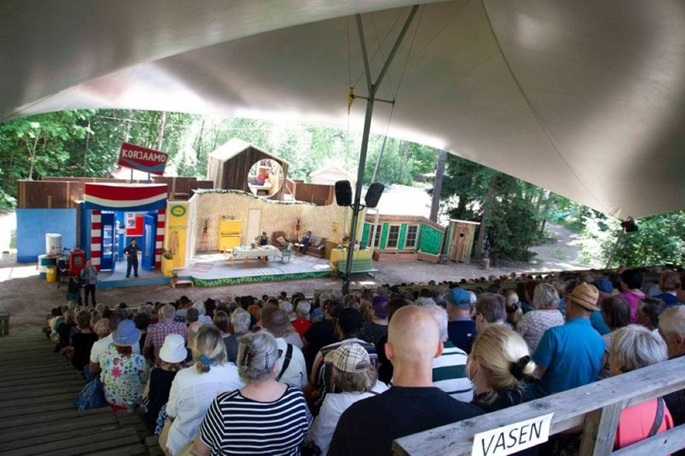
The Ministry of Education and Culture has added 22 new elements to Finland’s National Inventory of Living Heritage, based on a proposal by the Finnish Heritage Agency, said Ministry of Education and Culture in a press release on Friday.
With this update, the inventory now includes a total of 108 elements.
Finland identifies and documents its living heritage as part of implementing UNESCO’s Convention for the Safeguarding of the Intangible Cultural Heritage.
The National Inventory of Living Heritage brings together forms of intangible cultural heritage practised in Finland, including craft skills, festive events, performing arts, nature-related practices and food heritage. The inventory increases the visibility of living heritage and helps ensure its continued transmission.
The 2026 update introduces a diverse range of new elements from different areas of life. These include summer theatre traditions, making Karelian pies, tour skating on natural ice, traditional sauna practices, role-playing culture, Karelian Summer Festival, and the use and teaching of Braille.
The National Inventory of Living Heritage is updated approximately every three years. The inventory is based on a proposal by the Finnish Heritage Agency and is supported by an expert group on intangible cultural heritage. Stakeholders across different fields also take part in assessing the proposals.
A total of 30 applications were submitted in the 2026 call. The Finnish Heritage Agency proposed that 22 of them be inscribed in the inventory.
To be included, elements must form part of living heritage, increase understanding of cultural heritage, and be based on the active participation of communities.
The objective of UNESCO’s Convention is to promote the safeguarding of intangible cultural heritage, ensure respect for the heritage of communities, groups and individuals, and raise awareness of its importance. The Convention emphasises transmission from generation to generation, cultural diversity, and people’s participation in cultural heritage.
The Convention includes the identification and listing of intangible cultural heritage at both national and international levels. Inventories are a tool for identifying, describing and sharing knowledge about living heritage.
They can include both widely practised traditions and the cultural practices of smaller communities.
In Finland, the Finnish Heritage Agency is responsible for implementing the Convention.
Record number of people visit Police Museum in summer
Finland's largest Viking Age silver coin hoard discovered
83rd Venice International Film Festival kicks off
Helsinki Design Award 2026 goes to JKMM Architects
Country music legend Dolly Parton dies at 80
Dutch broadcaster boycotts Eurovision 2027 over Israel's participation

Editor-in-Chief Ofiul Hasnat
Published by Finnish News Network (FNN)
Heporinne 4 B 45
01200 Vantaa, Finland.
E-mails : [email protected]