
OP forecasts 3.3% growth for this year, 3% for next year
Published : 12 May 2021, 14:55
Updated : 13 May 2021, 09:23
OP Financial Group’s economists expect Finnish GDP to grow by 3.3% this year and 3.0% next year, against 3.0% and 2.6% growth
respectively in their forecasts published at the beginning of the year.
OP Financial Group’s economists have revised up Finnish economic growth forecasts for this year and the next, said OP in a press release.
As the COVID-19 cfisis abates, the household saving rate is likely to decrease quickly, said the OP release.
Households, in particular, are brightening the outlook with the prospect of a services-led recovery in consumer spending.
They forecast that the Finnish economy will recover from the COVID-19 crisis faster than a normal recession. The growth surge caused by the recovery should, however, subside next year,
whe the economy returns to its slow, pre-crisis growth path.
“The strong near-term growth figures herald a brisk return to the pre-
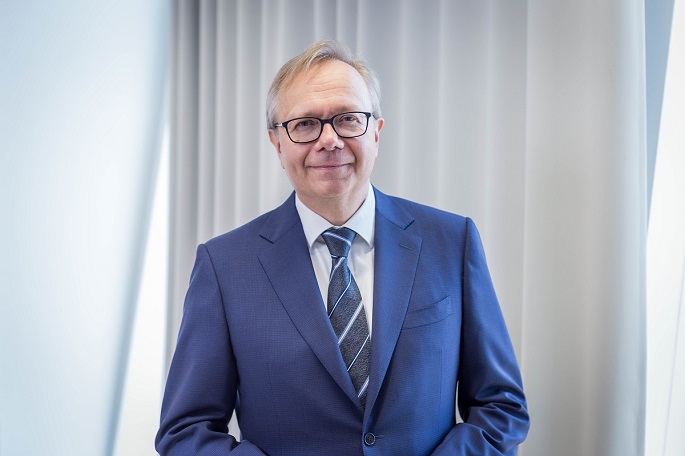
COVID-19 pandemic situation. However, they should not be over-hyped. A brisk recovery may cause bottlenecks, but talk of overheating will only be justified if we see a prolonged period of strong growth, which is improbable,” said OP Financial Group Chief Economist Reijo Heiskanen.
The economic prospects look brighter due to household demand, in particular, which will boost both consumer spending and the housing market. The recovery in consumption will probably be led by services — the sector hardest hit by COVID-19 — which should return to their pre-crisis growth trend next winter. Consumption of semi-durable goods, such as clothing, should pick up. However, the boom in convenience goods sales may even fade.
Last year, real household income rose slightly and the saving rate increased to 5.7%. At the same time, households accrued six billion euros more in savings than in 2019. Last year showed that the household saving rate decreases rapidly when the COVID -19 crisis abates.
OP Financial Group’s economists expect next year’s saving rate to decline slightly below the pre-pandemic level, i.e., only a small portion of the accrued savings will be spent on consumption. They forecast savings being put to a variety of uses, ranging from long-term investments to homes and holiday homes.
Export demand should also support the recovery, but any near-term export rebound will be hampered by component shortage, for example. In fact, on average, exports are expected to grow faster next year than this year. The service sector is also likely to drive export recovery.
The job market is expected to return to something like its 2019 situation. However, whereas the fiscal balance will be weaker than pre-crisis, the public deficit will fall to below three per cent and the debt-to-GDP ratio will stop growing.
Inflation is likely to surge as the economy recovers, with commodity prices, for example, rising from their low pandemic levels. However, the rise in consumer prices will slow again next year and remain at less than two per cent.
“Next year, the ratio of exports to GDP should return to its 2019 level from the depths it plumbed during the crisis, but this is still far too low for a country like Finland. Favourable economic recovery figures should not lull us into allowing our cost competitiveness to deteriorate. We should worry about this on all economic policy fronts,” stressed Heiskanen.
On the other hand, OP’s economists forecast that the spurt in world economic growth will abate as economies reach their previous growth trends. Inflation, too, is expected to spike as commodity prices rise and the rapid recovery causes bottlenecks. But it will subside in 2022 and longer-term inflationary expectations in the USA are in line with the Fed’s target. Expectations in the euro area remain below the ECB’s target.

Editor-in-Chief Ofiul Hasnat
Published by Finnish News Network (FNN)
Heporinne 4 B 45
01200 Vantaa, Finland.
E-mails : [email protected]