
Patriot missiles vowed to Ukraine by US, but Hegseth's nod still missing
Published : 24 Nov 2026, 23:50
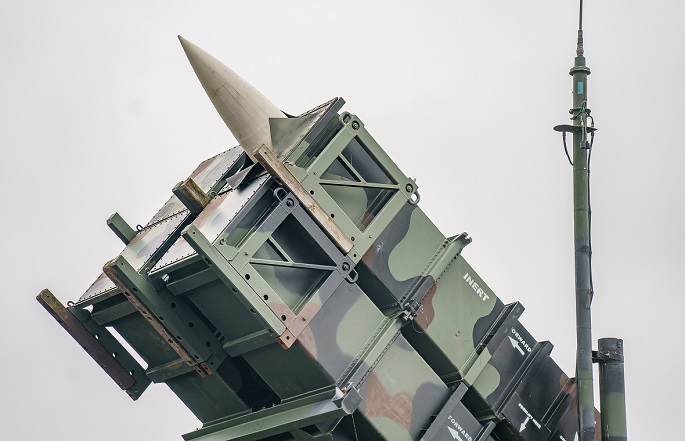
US Secretary of War Pete Hegseth has not yet approved the transfer of about 60 Patriot air defence interceptors that the United States had previously agreed to provide to Kyiv, according to a Financial Times report published on Tuesday, citing sources familiar with the developments, said ANI.
Ukrainian officials have repeatedly stressed their urgent requirement for more missile interceptors to defend against intensifying Russian missile and drone attacks across the country.
According to the Financial Times, the munitions consist of American-manufactured PAC-3 and PAC-2 variants, with a portion currently stored in European arsenals and financed by Kyiv's Western partners.
The Financial Times noted that the outstanding allocation covers PAC-3 munitions scheduled for delivery between September and December, although none of those shipments has been approved for transfer so far.
Additionally, approximately 20 PAC-2 units, an older variant of the Patriot missile, have been allocated to Kyiv and remain pending clearance for dispatch, the Financial Times added.
The publication further stated that a separate effort aimed at obtaining US approval for Ukraine to manufacture its own Patriot interceptors has hit a snag and remains delayed within the Pentagon.
Addressing the report, a Pentagon spokesperson told the Financial Times that Washington's policy on assisting Kyiv remains unchanged but declined to provide additional details regarding the munitions.
"The Department of War has pursued multiple parallel lines of effort to accelerate transatlantic industrial co-operation on the Patriot air and missile defence system with European partners and Ukraine, and continues that work to this day," a Pentagon official stated, as quoted by the Financial Times.
In a separate development last month, Washington cleared a deal for 500 Patriot PAC-3 missiles for Ukraine worth roughly USD 2.1 billion, although physical handovers are not anticipated until the early 2030s.
German Minister 'shocked' by Trump intervention to reinstate Huang
Ex Bangladesh PM plans return on Dec 16, seeks govt arranged flight
DR Congo military says cargo plane missing amid rebel claims of downed fighter jet
Zelensky says Ukraine sank Russian corvette off Libyan coast
Aid funding crisis leaves Malawi refugees facing hunger
NVIDIA board reinstates Huang as president, CEO and board director

Editor-in-Chief Ofiul Hasnat
Published by Finnish News Network (FNN)
Heporinne 4 B 45
01200 Vantaa, Finland.
E-mails : [email protected]