
US rejects 14-point peace proposal, Iranian says has no trust in Americans
Published : 16 May 2026, 00:14
Updated : 16 May 2026, 00:19
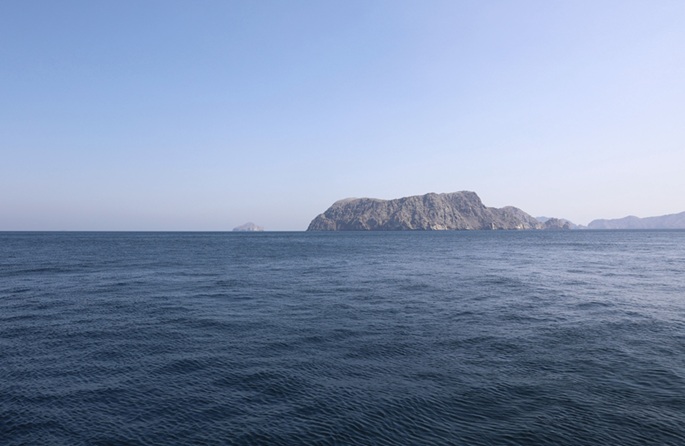
The United States has rejected Iran's 14-point peace proposal to end the war and "has once again reiterated its coercive stance, particularly regarding the nuclear issue," Iranian daily newspaper Tehran Times reported on Friday, said Xinhua.
Iran proposed a two-stage negotiation process, the paper said.
The first stage aims to end the war on all fronts, and if Iran's conditions are met, the second stage of negotiations, concerning the nuclear issue, would commence, the paper added.
Earlier this month, Iran submitted a 14-point counterproposal to the United States, calling for a permanent end to hostilities and a full withdrawal of U.S. forces from the region.
The plan was delivered through Pakistani intermediaries in response to a nine-point U.S. proposal.
While Washington's plan calls for a two-month ceasefire, Tehran requested a 30-day timeline to resolve key issues, insisting that talks focus on "ending the war" rather than a temporary truce.
Meanwhile, Iranian Foreign Minister Seyed Abbas Araghchi said on Friday that his country didn't trust the Americans since the latter had a habit of changing their stance on a daily basis.
"We have no trust in Americans. This is the main obstacle in the way of any diplomatic effort. We have every reason not to trust Americans, while they have no reason not to trust us," he said while speaking to a section of media persons on the conclusion of the BRICS Foreign Ministers Meeting in the Indian capital New Delhi.
The Iranian foreign minister said that after 40 days of war when the United States became "hopeless" of achieving any goal in their aggression against Iran, they offered negotiations.
The warmongers want to drag the United States again into another war, he said, adding "I hope that wisdom and diplomacy will finally prevail, and we go down the line of diplomacy to find a negotiated solution."
On the Strait of Hormuz, Araghchi said, "This is our wish that it will be fully reopened. As far as we are concerned, the Strait of Hormuz is open and all vessels can pass except the vessels of those countries that are fighting with us."
Blaming the U.S. aggression for the insecurity in the region, he said the Strait of Hormuz is located in the territorial waters of Iran and Oman and that everything should be managed by the two countries. "This is what we are now consulting with each other to make sure that there will be a good administration in the Strait of Hormuz in the future, which guarantees the safe passage of all vessels."
Merz, Trump discuss Iran over phone
German Chancellor Friedrich Merz on Friday held a phone conversation with U.S. President Donald Trump, during which the two sides agreed that "Iran must come to the negotiating table now."
According to a statement posted by Merz on social media platform X, the phone call was made while Trump was on his way back from China.
The two leaders also discussed "a peaceful solution for Ukraine" and the upcoming NATO summit, Merz said.
Hormuz open to all except those at war with Iran: Iranian FM
Addressing the intensifying maritime crisis in West Asia, Iranian Foreign Minister Seyyed Abbas Araghchi on Friday clarified that the Strait of Hormuz remains accessible to global shipping, with the sole exception of vessels from nations "at war with" Tehran, reported ANI.
Addressing a press conference in the national capital, Araghchi acknowledged that the situation in the strategic corridor has become "very complicated," yet Iran has maintained a stance of conditional cooperation.
"As much as our concern, Hormuz is open to all except those vessels of those countries who are in war with us," the Iranian minister stated, while extending an olive branch to neutral trade by adding, "We are ready to help those who want to pass the Strait."
The Iranian Foreign Minister underscored that Tehran's objective is to preserve navigation, promising that "we will arrange safe passage of all vessels" once regional stability is restored.
He linked the return of maritime normalcy directly to the cessation of military friction, noting, "Once the aggression is ended, I am sure everything will go to normal."
In a significant geographical and legal assertion, Araghchi pointed out that the Hormuz Strait, a primary global oil chokepoint, is situated entirely between the territories of Iran and Oman, claiming that "there are no international waters" within the passage.
This high-stakes diplomatic messaging unfolded during Araghchi's visit to India for the 18th BRICS Foreign Ministers' Meeting.
On Friday, he engaged in bilateral deliberations with External Affairs Minister S Jaishankar, focusing on regional security and mutual cooperation. This followed a high-level meeting with Prime Minister Narendra Modi yesterday aimed at bolstering multilateral stability during the ongoing West Asia volatility.
Araghchi revealed that the discussions with New Delhi reflected a deep strategic alignment, noting that both nations share "close positions," "same concerns," and "same interests."
He confirmed that Tehran would remain in close coordination with Indian counterparts to facilitate the transit of ships, expressing a shared hope that "things can go back to normal once aggression ends."
French aircraft carrier arrives in Arabian Sea for possible Hormuz mission
France's Charles de Gaulle aircraft carrier group has arrived in the Arabian Sea for a possible mission in the Strait of Hormuz, French Minister Delegate for the Armed Forces Alice Rufo announced on Friday, reported Xinhua.
Speaking to French television channel BFM TV, Rufo said France's position is to help restore freedom of navigation through the strait in a manner that is "entirely defensive" and in full respect of international law.
Rufo said the carrier group's presence in the Gulf region provides the means to "assess the situation and to weigh in on the regional and global diplomatic equation."
According to French media reports, the French flagship passed through the Suez Canal on May 6 before making a several-day stopover in Djibouti, where France maintains a military support base.
France and Britain hosted an international meeting on the Strait of Hormuz in Paris on April 17, bringing together representatives from 51 countries. Following the meeting, British Prime Minister Keir Starmer said the two countries would lead a defensive multinational mission to help safeguard shipping routes when conditions permit.
7 Palestinians killed in Israeli attacks across Gaza
9 killed in shooting in US Pennsylvania
Abbas postpones Palestinian presidential, legislative elections to Sept. 11, 2027
12 killed, 309 injured in attack on Riyadh airport
Opposition leader announces INDIA bloc protest against CEC on Oct 12
Trump suggests ´new President´ for Ukraine, day after diesel deal with Russia

Editor-in-Chief Ofiul Hasnat
Published by Finnish News Network (FNN)
Heporinne 4 B 45
01200 Vantaa, Finland.
E-mails : [email protected]