
World's lakes threatened by large animal invasion: Survey
Published : 08 Mar 2026, 20:30
Updated : 08 Mar 2026, 20:37
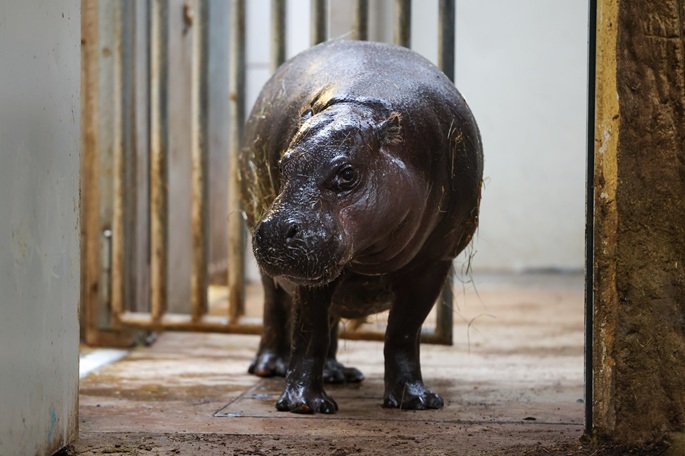
The world's freshwater lakes are under increasing threat by the proliferation of dozens of invasive species of large animals, according to the first ever global assessment.
From hippos in Colombia to spectacled caimans in China, researchers in Berlin identified a total of 93 freshwater "megafauna species" that were introduced outside their natural range and are now damaging the fragile ecosystem of their new habitat.
This is almost half (43%) of all 216 species found in the study of newly introduced animals weighing 30 kilograms or more, the Leibniz Institute of Freshwater Ecology and Inland Fisheries (IGB) reported in the study published in the scientific journal One Earth on Friday.
Such introductions affect 142 countries and regions on all continents except Antarctica, the team reported.
The United States has the highest number of introduced freshwater megafauna species with 52, followed by China (28), Canada (23), Russia (19) and Belgium (18). Germany is close behind with 17 such invasive species.
Unlike smaller animals, which are often introduced into new waters unnoticed, for example because they attach themselves to ship hulls or are transported by birds, large species are deliberately brought into foreign territories – often because of presumed economic advantages.
According to the study, of the 59 non-native large freshwater animals for which benefits have been documented, 26 also have negative impacts – almost half. This particularly affects large fish species such as carp, salmonids and catfish.
The researchers cited the example of Nile perch (Lates niloticus) in Africa’s Lake Victoria, where the species was introduced in the 1960s to support the local fishing industry.
Instead, the rapid spread of the voracious predators, which can weigh up to 200 kilograms, decimated stocks of native fish.
Many fishermen lost their livelihoods, and according to researchers, chronic malnutrition among children and mothers increased in the surrounding communities.
In addition to reduced food security, the study also cites risks in Europe from aggressive or poisonous species, damage to property and infrastructure, and dangers to human health as possible disadvantages.
In Germany and France, injuries were caused by the poisonous peacock stingray (Potamotrygon motoro), which was imported from South America and is popular among hobby aquarists.
Such harmful effects of introducing large freshwater animals – especially on vulnerable or marginalized local communities – are often complex and require long-term observation to understand their extent, said study leader Fengzhi He.
Compared to the benefits, the negative effects on the local population in many regions may be underestimated, he said.
Houthis claim missile, drone attacks on Saudi airports, energy facilities
US accepts some of Iran's conditions, status of others remains unclear: official
Trump announces Russia-Ukraine ´energy ceasefire, ´ Zelensky says unaware of deal
139 migrants dead after boat capsizes off Djibouti coast
Landslide-dam breach likely triggered flash floods in Nepal
Arab nations, Türkiye, Israel condemn Houthi attack on Riyadh airport

Editor-in-Chief Ofiul Hasnat
Published by Finnish News Network (FNN)
Heporinne 4 B 45
01200 Vantaa, Finland.
E-mails : [email protected]