
From Evening News to Live Sport: How Finland Chooses What to Watch
Published : 25 Sep 2026, 15:26
Updated : 25 Sep 2026, 15:34
For viewers in Finland, choosing television is no longer a matter of following one channel from dinner to bedtime. News, domestic entertainment, international drama and live sport now move between broadcast schedules and streaming services, making a clear programme guide more useful than ever.
A Finnish television evening can still begin at a familiar time. Yle TV1 brings viewers national news and current affairs, commercial channels build their prime-time schedules around entertainment and drama, and a major match can suddenly become the programme that shapes the whole night. What has changed is everything around those starting points. A programme may be available live, repeated later or placed in a streaming archive, while another can be seen only through a particular sports package.
This is especially noticeable for people who have recently moved to Finland. The channel names soon become familiar, but the relationship between Yle Areena, MTV Katsomo, Ruutu and the traditional channels takes longer to understand. A schedule is therefore not merely a list of times. It is a practical map of Finnish media culture, showing where public debate, popular entertainment and shared sporting moments are likely to happen.
The Finnish evening still has shared starting points
Linear television remains strongest when the timing is part of the experience. Yle TV1’s evening news and A-studio belong to a recognisable public-service rhythm: viewers know that the programmes will deal with the day’s most important Finnish and international issues, and that the conversation around them starts immediately. The same principle applies to special broadcasts, election nights, national celebrations and major cultural events.
Commercial television creates its own shared moments. A programme such as Vain elämää works because well-known Finnish artists reinterpret songs that many viewers already carry with them. The episode continues beyond its scheduled hour as performances circulate online and become the next day’s conversation. Even when a viewer watches later, the broadcast time provides the point around which that wider discussion is organised.

A guide now connects channels and services
The difficulty is not a shortage of programmes but the effort required to compare them. A viewer may know the title of a show without knowing whether the evening brings a new episode, a repeat or a live special. Sports rights can divide competitions between channels and subscription services, and films may begin at times that do not fit the familiar prime-time pattern.
A concise overview of tv ohjelmat reduces that friction by placing Finland’s channels in one view. Instead of opening several applications before deciding what to watch, readers can first compare starting times, genres and channels, then move to the relevant broadcaster or service. The value is simple: less searching and more confidence that an interesting programme has not been missed.
This kind of overview also helps families and shared households. One person may want current affairs, another an entertainment format and someone else a film. Seeing the alternatives together makes the decision concrete. It also reveals useful combinations, such as watching a short news programme before a drama or keeping a later film for another evening.
Domestic favourites meet international drama
Finnish schedules are a mixture of local voices and imported stories. Domestic programmes such as Vain elämää, Urheilulukio and Haluatko miljonääriksi? offer recognisable people, places and humour. They can be easy entry points for international residents who want to hear everyday Finnish and understand which personalities and subjects are attracting attention.
International series serve a different purpose. A crime or action drama such as The Rookie can be joined with relatively little preparation, while a Nordic film such as Susi offers a slower, more atmospheric evening. The useful question is not which type of programme is better, but what fits the viewer’s available time and mood. A clear guide makes the distinction visible before the remote control is picked up.

Live sport changes the order of the evening
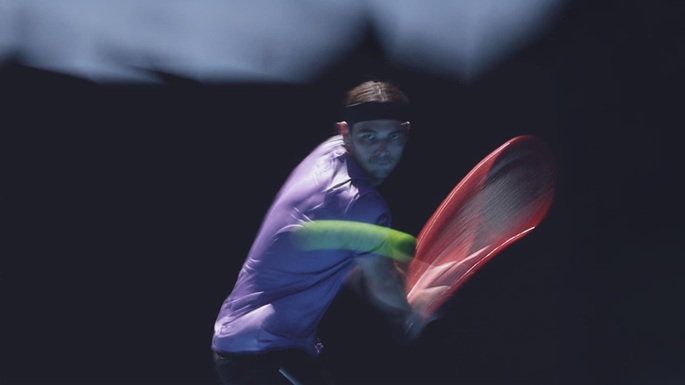
Sport is the clearest reason to check a schedule rather than rely on recommendations. An ice-hockey game, football match or Grand Slam tennis session has a fixed starting point but an uncertain finishing time. Pre-match studios may begin well before play, while overtime, interruptions or a long final set can push the broadcast beyond its advertised slot.
Finland’s viewers also follow competitions across several channel families. Liiga ice hockey, European football, athletics, skiing, motorsport and tennis do not all sit in the same place. Checking what is on TV now in Finland is particularly useful when a live event is already under way or when two broadcasts overlap. The guide can distinguish a live match from highlights or a repeat before the viewer commits the evening to it.
A useful guide respects the viewer’s time
The best programme guide does not try to turn every broadcast into an event. Its job is to make the important differences easy to see: live or recorded, new episode or repeat, free channel or subscription service, short factual programme or full-length film. Once those facts are clear, the viewer can decide whether the evening calls for serious news, familiar entertainment, an absorbing story or the unpredictability of sport.
Television in Finland has not disappeared into streaming. It has become a combination of scheduled broadcasts and on-demand choices, with the television screen still acting as the meeting point. A well-organised guide restores a little calm to that fragmented landscape. It helps long-time residents and newcomers alike begin with one sensible question: what is genuinely worth watching tonight?
Finland Imported Over 41000 Used Cars Last Year, and the Odometer History Stopped at the Border for Most of Them
Only 16% of Finnish Domains Enforce Strict DMARC Policies
How Consumers Are Moving Beyond Fast Accessories
Morocco, Colombia ties
How to Plan the Perfect All-Inclusive Holiday in Tenerife
HM the King Delivers Speech to the Nation on Throne Day

Editor-in-Chief Ofiul Hasnat
Published by Finnish News Network (FNN)
Heporinne 4 B 45
01200 Vantaa, Finland.
E-mails : [email protected]