
Work-based rises
Finland sees lower student residence permit pleas in Jan-Sep
Higher study costs, stiffen laws reduce number
Published : 20 Nov 2026, 20:28
Updated : 20 Nov 2026, 21:34
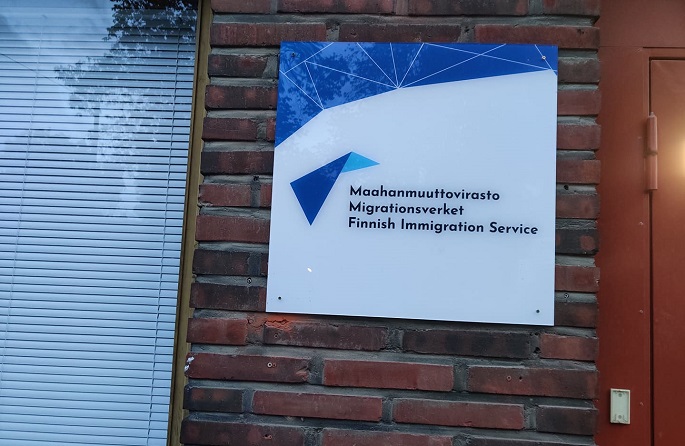
Number of residence permit applications based on study dropped significantly in Finland while the number of work-based applications increased from January to September this year, said the Finnish Immigration Service (Migri) in a press release on Friday.
A total of 7,671 first-time residence permit applications were submitted by students, which is one-third lower compared to the stipulated period of the previous year.
South Asia was a key region of international students arriving in Finland in the recent years and the influx of students from outside the EU and EEA is likely to be reduced at least in the short term due to increase of study costs and a weak labor market in Finland.
The four-party alliance government led by Kansallinen Kokoomus (National Coalition Party-NCP) brought several changes to the law tightening immigration and the laws will come into effect during 2027, which could discourage the international students to Finland.
These changes concern matters such as family reunification for students and requirements for ensuring sufficient language proficiency.
“We currently estimate that no more than 10,000 student residence permit applications will be submitted this year. The number of applications is expected to remain at a similar level next year,” said Johannes Hirvelä, Director of Information Services of Migri.
Meanwhile, a total of 10,048 applications for first work-based residence permits were submitted between January and September, which is 13% higher compared to the same period of the previous year.
The Migri estimated that a total of 11,000–13,000 first-time work-based residence permit applications will be submitted this year, and 12,000–14,000 next year.
People move to Finland for work primarily from Asia. The highest number of first-time work-based residence permit applications were submitted by citizens of India, Vietnam, China, the Philippines, and Thailand.
“Continued economic uncertainty makes it challenging to forecast work-based immigration. Despite cyclical economic fluctuations, the aging of Finland’s population and mismatches in the labor market create a demand for foreign labor,” Hirvelä said.
Between January and September, the number of applications from special experts grew by as much as 54% compared to the same period last year, with a total of 1,367 applications submitted.
Migri received a total of 44,242 applications for first residence permits, asylum, and EU citizen registrations in the first nine months of this year. There were 42,993 applications for extended residence permits and 14,251 applications for permanent residence permits.
The largest category for first residence permit applications was family ties, with 12,851 applications submitted. However, this figure represents a 32% decrease compared to the same period of last year.
A total of 1,296 first-time asylum applications were submitted in Finland in January-September period and the number is 14% lower than the number in January-September last year.
The largest number of initial asylum applications were submitted by nationals of Afghanistan, Somalia, and Iran.
Russia summons Finnish envoy over entry restrictions
Finland lists 15 countries as safe to make asylum procedures efficient
Razmyar mulls legal action against social media post of Tynkkynen
Masseur suspected of 49 sexual offences in Helsinki in 7 years
Finland´s 1st emergency warning test causes malfunctions on Doro phone
Finland extends validity of deportation law by 2 years

Editor-in-Chief Ofiul Hasnat
Published by Finnish News Network (FNN)
Heporinne 4 B 45
01200 Vantaa, Finland.
E-mails : [email protected]