
Proposed electricity market rule contradicts principle of subsidiarity: Grand Committee
Published : 21 Oct 2026, 23:23
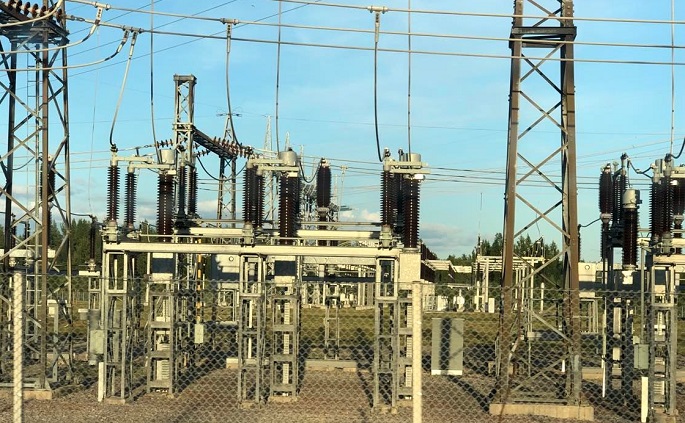
The Grand Committee of the Parliament of Finland considers that the proposed regulation concerning the electricity market is contrary to the principle of subsidiarity, said an official press release.
The committee in its report adopted on Wednesday proposed that Parliament approve a decision stating that the proposed regulation, in its current form, is contrary to the principle of subsidiarity.
Parliament will submit a reasoned opinion to the EU institutions if it approves the decision proposed in the Grand Committee’s report at its plenary session. The report will be considered in a single reading at the plenary session on Thursday.
The committee considered the cost-effective development of electricity networks, the promotion of electrification, investments in clean energy, digitalisation and the flexibility of the electricity system to be important objectives.
The Committee also supports, in principle, network charge structures that promote flexibility and the efficient use of the electricity system. However, it considers that Member States should retain sufficient room for manoeuvre to take national circumstances into account and that the regulation should not become unnecessarily detailed.
It observed that the provisions of the proposed regulation concerning network charges are problematic from the perspective of the principle of subsidiarity. It considered that the Commission has not demonstrated the existence of internal market failures related to network charges or other cross-border problems that could not be addressed effectively by Member States at national level. The committee pointed out that design of methodologies for network charges requires consideration of regional and local circumstances.
The committee, however, considered it important that the measures chosen to achieve the objectives of the proposal are appropriate and provide clear European added value.
With regard to energy taxation, the Grand Committee noted that the current Energy Taxation Directive already allows Member States to apply reduced tax rates to electricity and to tax electricity more lightly than natural gas.
Consequently, the Committee is not convinced that the proposed provisions on the harmonisation of energy taxation would provide added value at EU level beyond what can already be achieved under the existing regulatory framework. It therefore considered the proposal problematic from the perspective of the principle of subsidiarity also with regard to the provisions concerning energy taxation.
The committee considers that issues relating to the level, structure and relative rates of energy taxation primarily belong within the regulatory framework of the Energy Taxation Directive. It also drew attention to the legal basis of the proposed regulation with regard to the provisions concerning energy taxation.
In July, the European Commission presented a proposal for a Regulation of the European Parliament and of the Council to amend Regulation.
The aim of the proposal is to reduce system costs borne by electricity consumers, support electrification, and promote the digitalisation of the electricity system.
The proposed regulation would amend rules concerning electricity network charges and energy taxation and introduce new provisions into the Electricity Market Regulation on smart grids, electricity network data exchange, and smart metering systems.
JHL calls strike at Parkkipate on Nov 5-9 demanding collective agreement
THL for review system for domestic murder to check deaths in Finland
Helsinki to increase charging points for electric cars by 50%
Number of sexual abuses rises by 11.4% in Finland in Jan-Sep
Life expectancy of boys rises, girls drops in Finland
27 suspected of smuggling cigarettes from Latvia, Lithuania

Editor-in-Chief Ofiul Hasnat
Published by Finnish News Network (FNN)
Heporinne 4 B 45
01200 Vantaa, Finland.
E-mails : [email protected]