
Belarus must solve its own problems: FM
Published : 17 Aug 2020, 22:37
Updated : 18 Aug 2020, 00:08
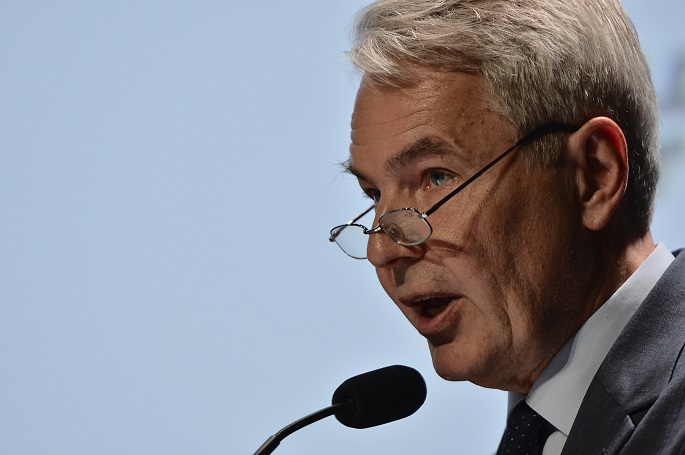
Foreign Minister Pekka Haavisto on Monday said the post-election turmoil in Belarus was creating a difficult geopolitical situation in the region and Belarus must solve its own problems, reported the national broadcaster Yle.
Talking to Yle Radio 1, he said Belarus is a country with ties to the European Union and a long-established relationship with Russia and from this point of view the country is in a very central role.
In a meeting over video conference last Friday, EU foreign ministers decided to ramp up sanctions against Belarus officials allegedly responsible for violence, repression, and falsification of election results, said the Yle report.
“We’re now collecting names of those who had committed violence. These individuals will probably face travel restrictions and asset freezing,” the Yle report quoted Haavisto as saying in the radio interview.
Replying to a query on telephone conversations between Russian President Vladimir Putin and his Belarusian counterpart Alexander Lukashenko on Saturday, Haavisto said the message is that these matters are in Belarus' own hands and it should solve the situation.
He reiterated that the criticism centres on the election being neither free nor fair.
Putin and Lukashenko on Saturday discussed over telephone the current situation in Belarus in the light of the presidential election and the subsequent nationwide protests.
“Lukashenko informed Putin about the developments following the presidential election in Belarus. Both the sides expressed confidence that all existing problems will be settled soon,” reported Xinhua, quoting a statement issued by the Kremlin.
The main thing is to prevent destructive forces from using these problems to cause damage to the mutually beneficial relations of the two countries within the Union State, it said.
On 14 August, the president and the Ministerial Committee on Foreign and Security Policy of Finland observed that the presidential election held in Belarus on 9 August was neither free nor fair.
IAEA team visits Finland to evaluate radiation emergency preparedness
Finland to redefine ties with Russia after Ukraine war ends: Stubb
Birth rate remains lower than death in Finland in Jan-July period
Online illegal wildlife trade poses risks to biodiversity: study
Finland to host Arctic summit of EU leaders in September
Woman killed in road mishap in Helsinki

Editor-in-Chief Ofiul Hasnat
Published by Finnish News Network (FNN)
Heporinne 4 B 45
01200 Vantaa, Finland.
E-mails : [email protected]