
72% people in Finland live in urban areas
Published : 31 May 2020, 00:35
Updated : 31 May 2020, 10:52
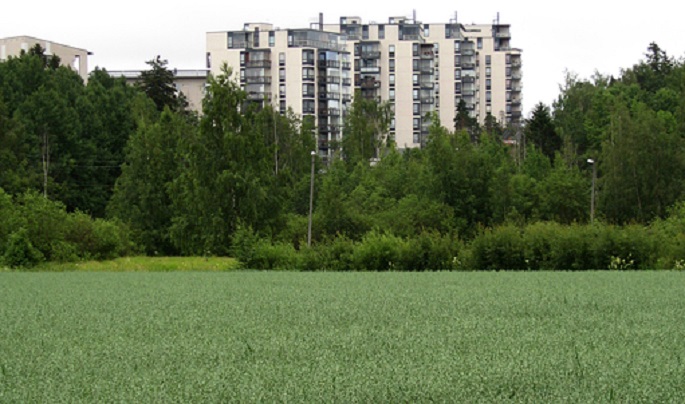
More than 72 per cent of the population of Finland now reside in the urban areas, according to the latest urban-rural classification updated by the Finnish Environment Institute (SYKE).
The degree of urbanisation has increased more than two percentage points compared to the classification based on the demographic data of 2010, said a SYKE press release.
The updated classification represents the situation of the year 2018. The regional classes with the most expanded surface areas are the rural areas close to urban areas and the peri-urban area.
More than half of the country’s jobs are now located in the most densely populated inner urban areas where more than two million of the country’s population is living and where the density of jobs is the greatest.
The increase in the degree of urbanisation is caused by population growth and increased population density in the cities as well as by extension of the urban areas.
The inner urban areas have extended to the previously outer urban areas, while the outer urban areas have further extended to peri-urban areas. The peri-urban areas in turn have extended to areas that have previously been classified as rural. Despite their growth, the urban areas only cover approximately five per cent of the country’s entire surface area – the rest is considered rural area.
The growth of the most densely built inner urban areas is caused by infill construction as the newly built areas are linked with the uniformly built areas.
“In the metropolitan area, for example, infill construction has caused the more unified inner urban area to extend towards Espoonlahti in the west and towards Kerava in the northeast,” said SYKE Researcher Kimmo Nurmio.
IAEA team visits Finland to evaluate radiation emergency preparedness
Finland to redefine ties with Russia after Ukraine war ends: Stubb
Birth rate remains lower than death in Finland in Jan-July period
Online illegal wildlife trade poses risks to biodiversity: study
Finland to host Arctic summit of EU leaders in September
Woman killed in road mishap in Helsinki

Editor-in-Chief Ofiul Hasnat
Published by Finnish News Network (FNN)
Heporinne 4 B 45
01200 Vantaa, Finland.
E-mails : [email protected]