
Youths´ food choices in Finland remain far from healthy diet: THL
Published : 27 Aug 2026, 02:32
Updated : 27 Aug 2026, 02:36
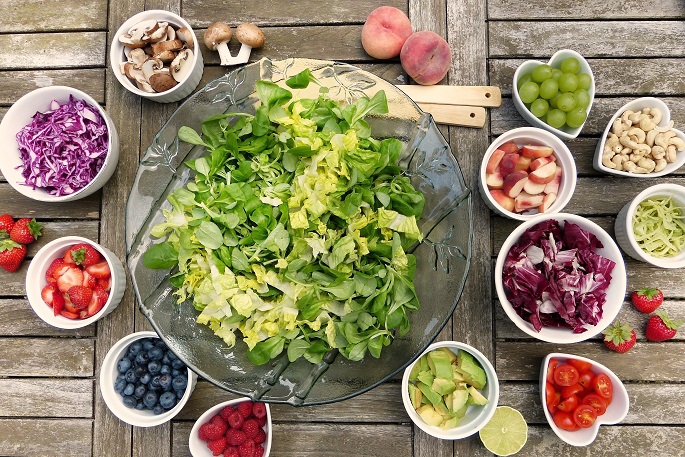
Young people consume too little of several foods that are important for both health and environmental sustainability, according to a survey conducted by the Finnish Institute for Health and Welfare (THL).
The Youth Nutrition Survey showed that the youths do not consume adequate vegetables, berries, fruits, whole grains, legumes and fish but eat too much red meat and processed meat, said the THL in a press release on Wednesday, referring to the survey.
The current food environment does not adequately support healthy food choices among young people, highlighting the need for new societal measures in particular.
The national nutrition recommendations advise consuming at least 500 to 800 grams of vegetables, berries and fruits per day.
Among young people, average consumption amounts to only about half of the recommended level.
Only five per cent of young people consume vegetables, berries and fruits in line with the recommendations. Relative to energy intake, consumption is higher among girls than among boys.
By contrast, consumption of red meat and processed meat is high. The national nutrition recommendations advise limiting consumption to no more than 350 grams per week for health reasons.
Among girls, 34 per cent consume more red meat and processed meat than recommended, while the corresponding figure among boys is 89 per cent.
“From both a health and environmental perspective, young people should be encouraged to eat more vegetables, berries and fruits, whole grains, legumes and fish. Consumption of red meat and processed meat should be moderated,” said Peppi Haario, Senior Researcher.
“Regular meal patterns and a varied diet support young people’s wellbeing, growth and development. Many risk factors for disease, such as overweight and chronic inflammation, begin to develop already during childhood and adolescence, which highlights the importance of a health-promoting diet from an early age,” said Professor Suvi Virtanen.
The findings reveal clear differences both between genders and between educational levels. Relative to energy intake, girls consume more vegetables, berries, fruits and whole grains than boys. Boys, in turn, consume more animal-based products, including meat and dairy products.
Food consumption among students attending vocational institutions differs in many ways from the dietary choices of lower secondary school and upper secondary school students.
Young people in vocational education consume fewer berries and fruits, more meat and processed meat products, and more energy drinks than their peers.
“The differences in food consumption observed between genders and educational levels support the view that health inequalities begin to emerge early in life. This is why efforts to prevent and reduce them should start already during adolescence,” said Haario.
The authority suggested measures promoting healthy and sustainable dietary choices requires both societal and individual-level measures.
THL conducted the Youth Nutrition Survey in schools and educational institutions during the 2024–2025 academic year. The study involved 22 municipalities from across Finland. Participants were young people aged 12 to 20 years from grades 7–9 of lower secondary school and the first and second years of upper secondary education.
A total of 1,975 young people participated in dietary interviews (33% of those invited), and 1,839 completed a background questionnaire (31% of those invited).
6 more African swine flu cases detected in Finland
Spending few minutes in nature benefits health: THL
Many wild rabbits found dead in Helsinki during summer
HUS offers antibody to newborns to prevent RSV disease
Researchers create human heart valve tissues from stem cells
11 more African swine flu cases detected in Finland

Editor-in-Chief Ofiul Hasnat
Published by Finnish News Network (FNN)
Heporinne 4 B 45
01200 Vantaa, Finland.
E-mails : [email protected]