
Enterovirus infections on rise in Finland
Published : 14 Sep 2022, 05:45
Updated : 14 Sep 2022, 06:54
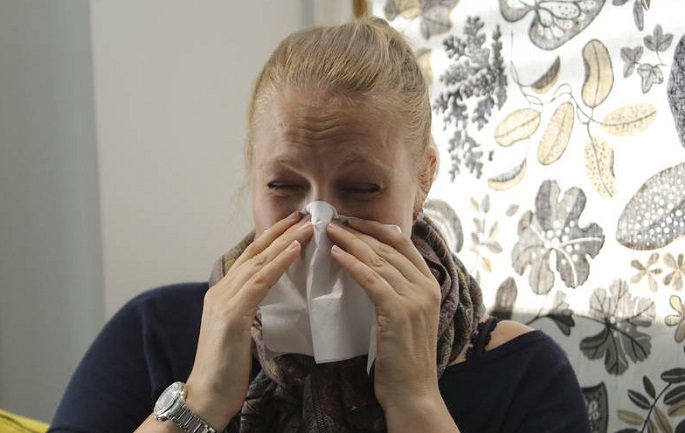
The number of enterovirus cases reported to the National Infectious Diseases Register has started to increase earlier than usual this year, said the Finnish Institute of Health and Welfare (THL) on Tuesday.
In addition, an above-average number of cases of enterovirus-induced hand, foot and mouth disease have been reported from all over the Finland to the THL.
Most of the cases are mild, but in Turku at least some child patients have been hospitalised due to shortness of breath.
These patients have been diagnosed with enterovirus D 68, which usually only causes mild respiratory symptoms, but sometimes also shortness of breath or pneumonia.
A total of 243 laboratory-confirmed enterovirus cases were reported to the National Infectious Diseases Register last year. There have been 217 cases reported so far this year, and the number is expected to increase further.
Enterovirus infections are usually mild, and the person normally recovers naturally within 1–2 weeks.
However, there are cases each year with more serious symptoms. Enteroviruses usually cause symptoms in children, but young people and adults may also be infected and develop symptoms.
In addition to respiratory tract infections, abdominal symptoms and the hand, foot and mouth disease, enteroviruses can also cause myocarditis and meningitis, the most common symptoms of which are fever, headache and neck stiffness.
Enteroviruses are transmitted either from droplets or from faces to hands and then hands to mouth. The most effective way to prevent infection is careful hand hygiene, which includes washing hands with soap and using plenty of water.
At any one time there may be dozens of different variants circulating in the population, with the clinical picture varying between these types. Once you have been infected with one variant, you are protected against infection from the same type, but you may later become infected with a different one.
Since 2008, the most common cause of hand, foot and mouth disease, both in Finland and elsewhere in Europe, has been coxsackievirus A6.
HUS offers antibody to newborns to prevent RSV disease
Researchers create human heart valve tissues from stem cells
11 more African swine flu cases detected in Finland
Low parental income, education linked to children bacterial infections risk
1st ever African swine flu cases spotted in Finland
Chance discovery points to potential antiviral treatment: study

Editor-in-Chief Ofiul Hasnat
Published by Finnish News Network (FNN)
Heporinne 4 B 45
01200 Vantaa, Finland.
E-mails : [email protected]