
EU finalizes 2027 budget of almost €2 billion
Published : 11 Nov 2026, 21:34
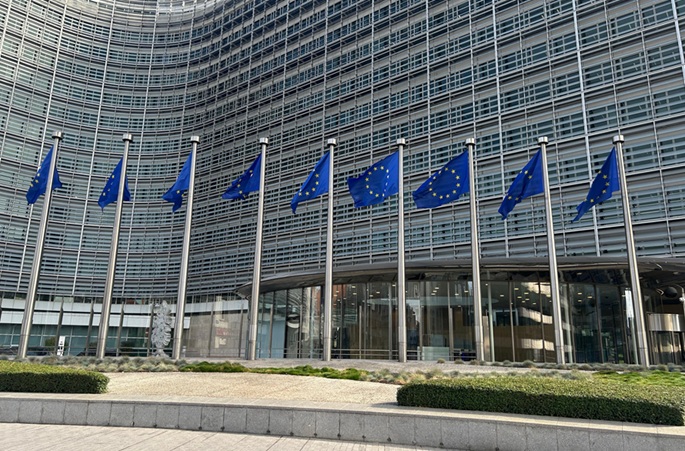
The European Union's 2027 budget stands at €199.7 billion, the bloc's member states announced early on Wednesday, following overnight negotiations with the European Parliament.
The agreement allows the 27-country bloc to implement agreed policies and programmes, member states said in a joint statement.
It also safeguards the EU's ability to "cope with ongoing crises and challenges," such as in Ukraine and the Middle East, the statement says, as well as tackling unforeseen developments.
Next year's budget is slightly above the roughly €190 billion spending pot for 2026.
The 2027 agreement still needs official confirmation from member states and the EU legislature, steps that are considered a formality.
The EU's expenditure is initially negotiated as a seven-year envelope, from which each annual budget is extrapolated. With 2027 marking the end of the current cycle, fraught negotiations are under way on the next multi-year budget framework.
Member states trim proposal
The deal is based on a proposal from the European Commission, which had suggested a budget of €199.9 billion for next year. It had listed priorities including competitiveness, security, defence and support for Ukraine.
Long-term EU budget
Around €1.1 trillion were earmarked in total for the 2021 to 2027 spending period, under the current multiannual financial framework. The EU budget is mostly funded by contributions from member states, but is dwarfed by capitals' domestic expenditure.
Germany, the EU's largest net contributor, provides almost a quarter of EU funds but also benefits strongly from the single market.
Negotiations are under way in Brussels on a new multiannual budget for 2028 to 2034. EU countries want to reach agreement by the end of the year, but this is seen as highly ambitious because there are still wide divergences between member states' positions.
A proposal worth €1.826 trillion for the next seven-year period is currently on the table. German Chancellor Friedrich Merz is among a group of leaders who reject this as unacceptable, calling for cuts of several hundred billion euros.
Unemployment among German university graduates hits record high
EU extends military assistance mission, plans presence in Ukraine
Czech, Slovak PMs oppose call for EU-wide funding of Ukraine's budget deficit
European Commission approves full Volkswagen takeover of Europcar
Merz warns EU budget deal hinges on securing funding for Ukraine
1 police officer killed in explosion in northern Spain

Editor-in-Chief Ofiul Hasnat
Published by Finnish News Network (FNN)
Heporinne 4 B 45
01200 Vantaa, Finland.
E-mails : [email protected]