
More hantavirus cases may emerge after cruise vessel evacuation: WHO
Published : 13 May 2026, 01:07
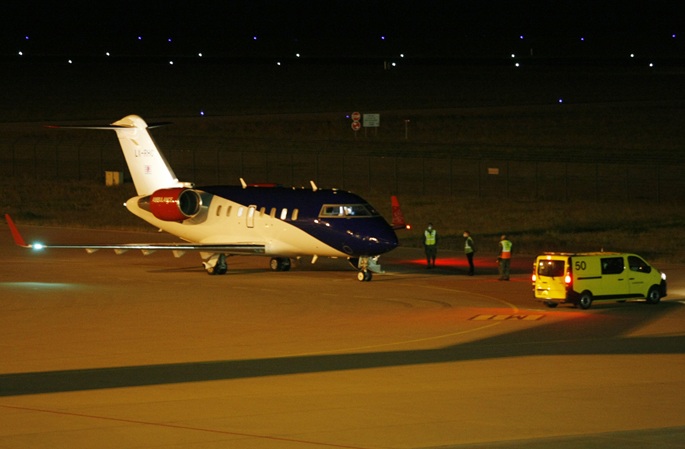
World Health Organization (WHO) Director-General Tedros Adhanom Ghebreyesus on Tuesday said additional hantavirus cases could still emerge in the coming weeks following the evacuation of passengers from the outbreak-hit cruise ship MV Hondius, while stressing that the global public health risk remains low, reported Xinhua.
"Given the long incubation period of the virus, it is possible that we may see more cases in the coming weeks," Tedros said at a joint press conference with Spanish Prime Minister Pedro Sanchez held at the Moncloa Palace in Madrid.
According to Tedros, 11 hantavirus-related cases have so far been reported, including three deaths. Nine of the 11 cases have been confirmed as Andes virus infections, while the remaining two are considered probable cases.
"Our assessment continues to be that the global public health risk remains low," he said, adding that there is currently "no sign" of a larger outbreak.
Tedros said WHO recommends that all evacuated passengers undergo active health monitoring for 42 days from their last exposure date, either in designated quarantine facilities or at home, with the monitoring period lasting until June 21.
"Anyone who becomes symptomatic should be isolated and treated immediately," he added.
Tedros also thanked the Spanish government for agreeing to receive the ship and lead the evacuation effort, praising Spain for fulfilling "its legal duties under international law" while also demonstrating "solidarity, compassion and kindness" throughout the operation.
The Spanish government agreed on May 5 to receive the MV Hondius after a hantavirus outbreak was reported aboard the vessel, following requests from the World Health Organization (WHO), the European Union and more than 20 governments seeking assistance in evacuating and repatriating those on board.
The vessel arrived off the Spanish island of Tenerife on May 10 and docked at the Port of Granadilla a day later. During the two-day operation, passengers and some crew members disembarked from the vessel and were transferred under strict protective and sanitary measures before being flown out of Spain.
Sanchez described the evacuation operation as a "success," saying Spain had coordinated 10 special flights to evacuate more than 120 people of different nationalities who had disembarked from the vessel between May 10 and May 11. He added that the operation had been conducted under four guiding principles: "scientific rigor," "absolute transparency of information," "institutional coordination," and "international cooperation."
Spanish health authorities said all evacuated people from the MV Hondius had left Tenerife by May 11, while the vessel departed for Rotterdam with 28 crew members remaining on board.
The European Commission said it is coordinating closely with Spain, EU member states and other countries participating in the EU Civil Protection Mechanism, while also working with the European Centre for Disease Prevention and Control (ECDC), WHO and other partners to coordinate passenger disembarkation, return transfers and follow-up health monitoring.
French woman repatriated from Hondius remains in serious condition
A French woman infected with Andes virus infections after being repatriated from the cruise ship MV Hondius remains in intensive care and is in serious condition, French Health Minister Stephanie Rist said on Tuesday, reported Xinhua.
The woman was among five French nationals repatriated from the ship, which has been linked to infections of Andes virus, a rodent-borne hantavirus endemic to South America and the only known hantavirus capable of limited human-to-human transmission.
"The patient is still in intensive care and in serious condition," Rist said, adding that the other four "are doing well and have tested negative."
Rist added that 22 other French contact cases have been identified and contacted, and they are either hospitalized or in the process of being hospitalized, and there is currently "no elements suggesting a diffuse circulation of the virus" in France.
Zelenskyy says Starlink and Starshield operations restored
Protests sweep Italian cities, clashes reported
Russian, Ukrainian officials discuss humanitarian mission in Oleshky
410,000 take part in new round of protests across France
Injuries and damage after Germany hit by 1st autumn storm
Russia, Ukraine agree to temporary ceasefire in Oleshky: White House

Editor-in-Chief Ofiul Hasnat
Published by Finnish News Network (FNN)
Heporinne 4 B 45
01200 Vantaa, Finland.
E-mails : [email protected]