
2 new polar bears arrive at Ranua Wildlife Park
Published : 07 Dec 2025, 22:00
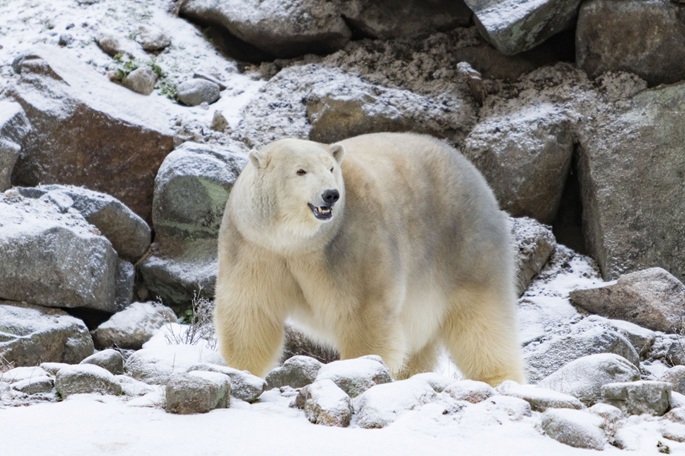
Two new female polar bears have arrived at Ranua Wildlife Park after an extensive renovation of the polar bear area at the park, said an official press release on Sunday.
Both the young polar bears named Inuvik and Kara arrived from the European conservation programme.
Inuvik came from Copenhagen Zoo in Denmark, born in December 2019. Her dam is Noel and her sire is Nord – the same male that lived for a short time at Ranua after Inuvik's birth.
According to her keepers, Inuvik is a sociable, active and pleasant bear who enjoys the company of others, but can also be somewhat short-tempered by nature.
Kara arrived from Mulhouse Zoo in France, born in November 2020. Kara is described as temperamental and playful, especially when interacting with toys and other enrichment items, and she explores her surroundings with curiosity.
"It is fantastic that the redevelopment of the polar bear area has made it possible for us to welcome two new polar bears to Ranua," said Chief Executive Officer of the zoo Johanna Koivunen.
"Ranua has solid experience in keeping polar bears, dating back to 1989, and in addition to our new, impressive polar bear area, we have excellent climate conditions for this arctic species. We are very much looking forward to getting to know our new residents properly as their settling-in process begins,” the CEO said.
The authority will give the polar bears time to adapt peacefully to their new home before opening the area to visitors. The official public opening of the polar bear area will be held on December 13, Koivunen added.
The wildlife park's long-term polar bear resident, Venus, will continue her life in Ranua, for the time being in her own enclosure.
"Our goal is that all three polar bears can in future live within the same large enclosure complex, once adaptation and the relationships between the individuals allow this safely," said Zoological Director, Heini Niinimäki.
"Although polar bears do not typically form tight-knit groups and spend most of their time alone, the presence of a conspecific and the possibility of varied social situations can bring important additional variety and enrichment to an animal's life," Niinimäki added.
The polar bears at Ranua Wildlife Park are part of the EEP (European Endangered Species Programme) coordinated by EAZA, the European Association of Zoos and Aquaria.
Record number of people visit Police Museum in summer
Finland's largest Viking Age silver coin hoard discovered
83rd Venice International Film Festival kicks off
Helsinki Design Award 2026 goes to JKMM Architects
Country music legend Dolly Parton dies at 80
Dutch broadcaster boycotts Eurovision 2027 over Israel's participation

Editor-in-Chief Ofiul Hasnat
Published by Finnish News Network (FNN)
Heporinne 4 B 45
01200 Vantaa, Finland.
E-mails : [email protected]